Facebook
 Linked In
 Twitter
 YouTube

IndiAgri Bureau

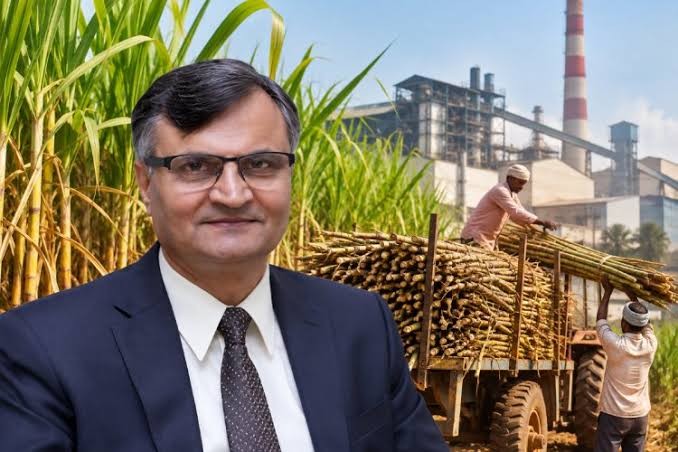
New Delhi: Universal crop insurance coverage is essential to safeguard farmers against increasing climate and market risks and to build a more resilient agricultural sector, according to Dr. Lavanya R. Mundayur, Chairman-cum-Managing Director of the Agriculture Insurance Company of India (AIC).
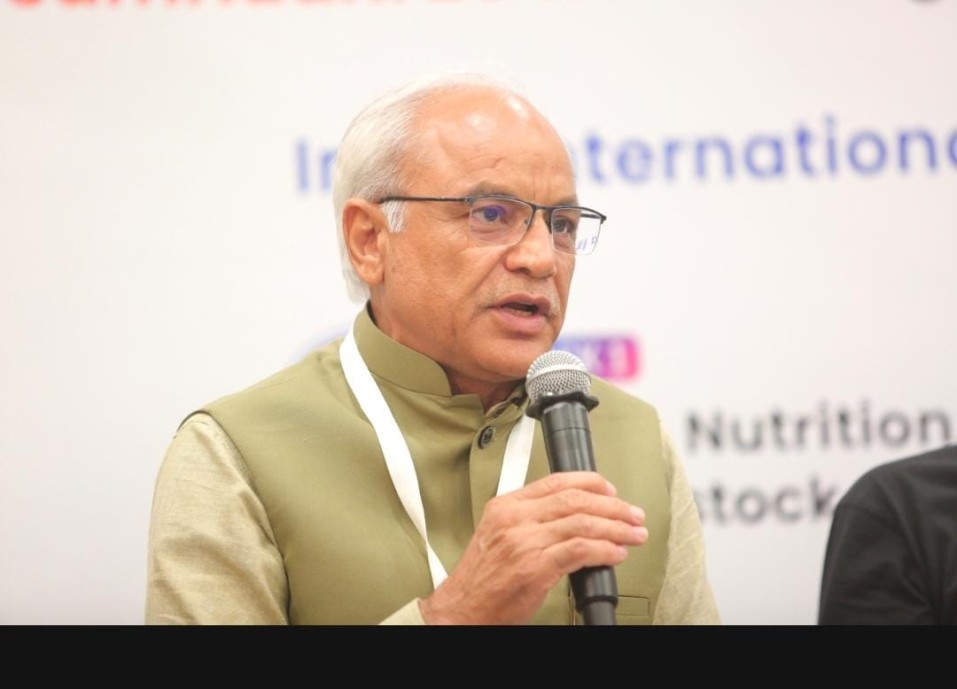
Speaking during a fireside chat at the National PSU Summit 2026 held in New Delhi on June 19, Dr. Mundayur stressed that wider insurance coverage would improve risk management, lower costs and provide protection to all farmers, particularly small and marginal cultivators.
“Universal coverage would strengthen the risk pool and ensure that every farmer has access to a basic safety net,” she said.
Highlighting the challenges faced by Indian agriculture, Dr. Mundayur noted that farmers continue to deal with uncertainties related to production, prices, distribution systems and climate conditions. While insurance can help absorb some of these risks, she said broader improvements across the agricultural ecosystem are equally important.
She pointed out that climate change has intensified vulnerabilities in the sector, making risk management more critical than ever. However, she emphasized that insurance alone cannot address every challenge confronting farmers.
According to Dr. Mundayur, nearly 88 percent of India’s farmers belong to the small and marginal category, making access to financial protection and institutional credit vital for sustaining agricultural livelihoods.
Despite government efforts to expand coverage, crop insurance penetration remains below desired levels. She noted that while millions of farmers possess Kisan Credit Cards, only a portion of them are currently covered under crop insurance schemes.
To improve awareness among farmers, AIC undertook extensive outreach initiatives, including the distribution of nearly five crore insurance policy documents directly to farmers’ households over the past year.
Dr. Mundayur also called for greater participation by states in crop insurance programmes, stating that broader enrollment would improve risk-sharing mechanisms and enhance the long-term sustainability of insurance schemes.
The AIC chief highlighted the growing role of technology in agricultural insurance. She said the company is increasingly using satellite imagery, geospatial analytics, digital land records and data-based assessment models to improve transparency and operational efficiency.
“Quality data is the foundation of effective technology and artificial intelligence applications,” she said, adding that satellite-based monitoring has significantly reduced dependence on manual crop assessments.
According to her, technology, field-level verification and human engagement must work together to build trust and ensure accurate claim assessments.
Dr. Mundayur said AIC currently operates with around 450 employees, including a significant technology workforce, enabling the company to manage large-scale operations while maintaining efficiency.
Linking agricultural insurance with the broader goal of Viksit Bharat, Dr. Mundayur said universal farmer protection should become a national priority.
“At least a basic insurance cover should be available to every farmer in the country,” she said, noting that India’s diverse geography creates varying risk profiles across states and districts.
She added that comprehensive insurance coverage would play a key role in protecting farm incomes, encouraging investment in agriculture and strengthening rural resilience in the face of increasing climate-related uncertainties.
The National PSU Summit 2026 brought together leaders from public sector enterprises, government departments, financial institutions, technology firms and policy organizations to discuss strategies for India’s economic transformation. Discussions covered digital transformation, infrastructure development, governance reforms, innovation and public service delivery, among other themes.




.png)