Facebook
 Linked In
 Twitter
 YouTube

IndiAgri Bureau
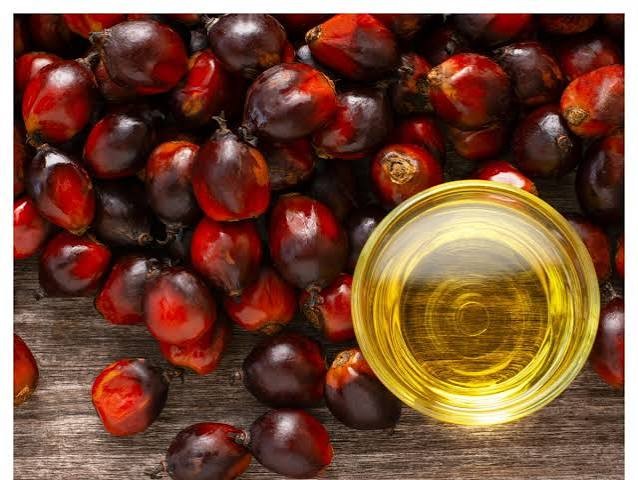
New Delhi: The Government of India has intensified efforts to reduce India's dependence on edible oil imports by expanding domestic oilseed production and promoting oil palm cultivation under two flagship missions, the Ministry of Agriculture and Farmers Welfare informed Parliament on Tuesday.
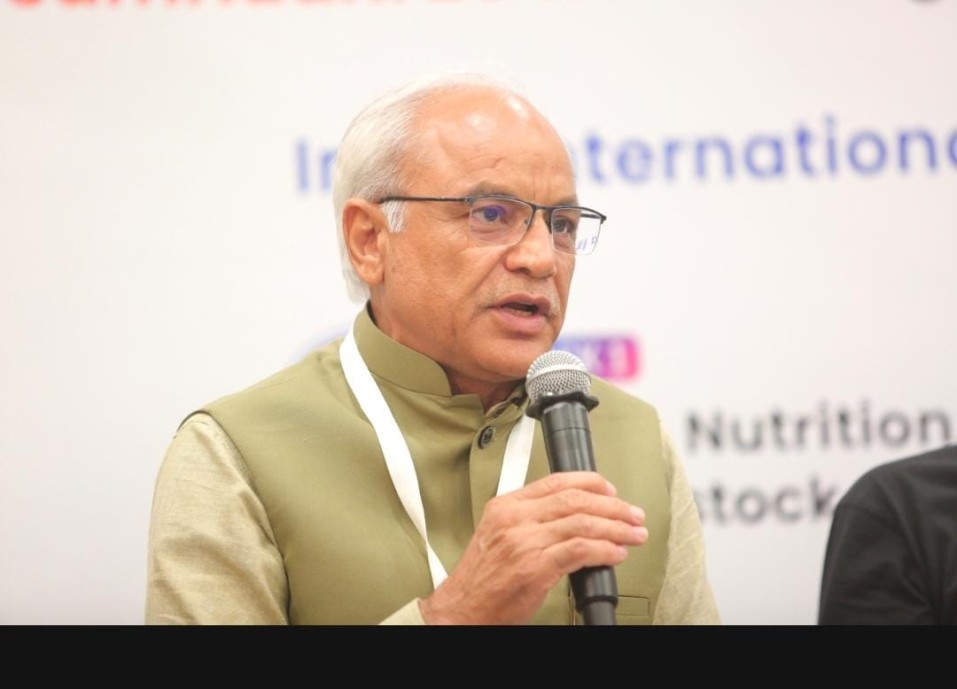
In a written reply to the Lok Sabha, Minister of State for Agriculture and Farmers Welfare Ramnath Thakur said the National Mission on Edible Oils-Oilseeds (NMEO-OS), launched in October 2024, aims to increase India's primary oilseed production from 39 million tonnes in 2022-23 to 69.7 million tonnes by 2030-31, strengthening the country's journey towards self-reliance in edible oils.
The minister said the mission is being implemented through a cluster-based approach, with more than 600 Value Chain Clusters identified across the country. These clusters are managed by Farmer Producer Organisations (FPOs), cooperatives and other partner agencies, which provide farmers with free high-quality seeds of improved varieties, training on scientific cultivation practices and support for better post-harvest infrastructure, including oil mills to improve oil recovery.
To strengthen the seed supply system, the government is providing 100 per cent assistance for breeder seed procurement while supporting the establishment of new seed hubs and specialised seed storage units in the public sector. The mission also promotes improved productivity through Frontline Demonstrations (FLDs), Cluster Frontline Demonstrations (CFLDs) and Block-Level Demonstrations (BLDs), helping farmers adopt improved varieties and modern production technologies.
According to the government, India's oilseed production has increased from 39.67 million tonnes in 2023-24 to 43.06 million tonnes in 2025-26, based on the third advance estimates. During 2025-26, free seed distribution under Value Chain Clusters covered 13.52 lakh hectares, exceeding the annual target of 10 lakh hectares. The government has also sanctioned 60 Seed Hubs and 50 specialised seed storage units for breeder seed production of newly released varieties.
Despite the increase in domestic production, India continues to rely heavily on edible oil imports. The government said the country imported 160.72 lakh tonnes of edible oils during 2024-25, of which 75.17 lakh tonnes was palm oil, accounting for nearly 47 per cent of total edible oil imports.
To address this dependence, the Centre is also implementing the National Mission on Edible Oils-Oil Palm (NMEO-OP), launched in August 2021. The mission is currently being implemented in 15 states, with a special focus on the North Eastern region.
Under the programme, farmers receive financial assistance for quality planting material, intercropping, maintenance during the four-year gestation period, irrigation facilities, farm machinery and replanting of old plantations. The mission also supports seed gardens, nurseries, Custom Hiring Centres and oil palm processing mills, particularly in the North East.
The government informed Parliament that 2.73 lakh hectares have been brought under oil palm cultivation between 2021-22 and 2025-26, taking the country's total oil palm area to 6.40 lakh hectares as of March 31, 2026.
During the same period, farmers harvested 114.66 lakh tonnes of Fresh Fruit Bunches (FFBs), resulting in the production of 20.10 lakh tonnes of Crude Palm Oil (CPO). At present, 27 oil palm processing mills are operational across the country.
The government also said that ₹18.90 crore has been released as Viability Gap Payment (VGP) to 9,244 oil palm farmers across Goa, Tamil Nadu, Gujarat, Karnataka, Odisha, Arunachal Pradesh, Assam and Mizoram, providing financial support to encourage oil palm cultivation.



.png)