Facebook
 Linked In
 Twitter
 YouTube

IndiAgri Bureau
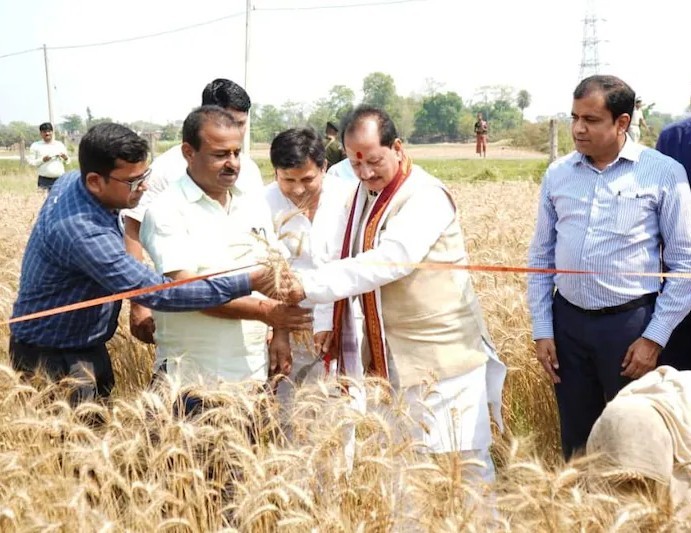
Patna: In a major push towards digitising agriculture services, the Bihar government will soon issue farmer identity cards to over 40 lakh additional farmers under its Agri Stack programme, state agriculture minister Vijay Kumar Sinha announced on Tuesday.
Launching the second phase of the initiative in Phulwari Sharif, the minister said the state has already covered nearly 55 per cent of registered farmers. So far, 47.85 lakh farmer IDs have been issued out of 88.40 lakh registrations, marking steady progress in building a unified digital database of agriculturists.
The Agri Stack programme, rolled out earlier this year, aims to create a comprehensive farmer registry by integrating land records with individual farmer data. The exercise is being carried out jointly by the agriculture department and the revenue and land reforms department to ensure accuracy and coordination.
Officials said the digital registry will significantly reduce paperwork for farmers, eliminating the need to repeatedly submit land ownership documents while applying for subsidies, compensation, and other benefits under government schemes.
The minister noted that a substantial number of beneficiaries under the PM-KISAN scheme have already been brought into the system, with 23.79 lakh enrolled so far. Bihar has around 75 lakh PM-KISAN beneficiaries, each receiving Rs 6,000 annually.
Highlighting the next phase as a “mission-mode” exercise, Sinha said the initiative will enable direct benefit transfers related to seeds, fertilisers, crop assistance, and institutional credit into farmers’ bank accounts.
Senior officials, including chief secretary Pratyaya Amrit, emphasised that the platform will improve transparency and reduce the need for farmers to visit government offices for accessing scheme benefits.
Alongside the registry rollout, the state has accelerated its crop survey programme to gather village-level data on cropping patterns and agricultural activities. Around 47 lakh land plots have already been surveyed, with work progressing across thousands of villages. The data is expected to support better planning, improved productivity, and more targeted delivery of farm support measures.




.png)