Facebook
 Linked In
 Twitter
 YouTube

IndiAgri Bureau
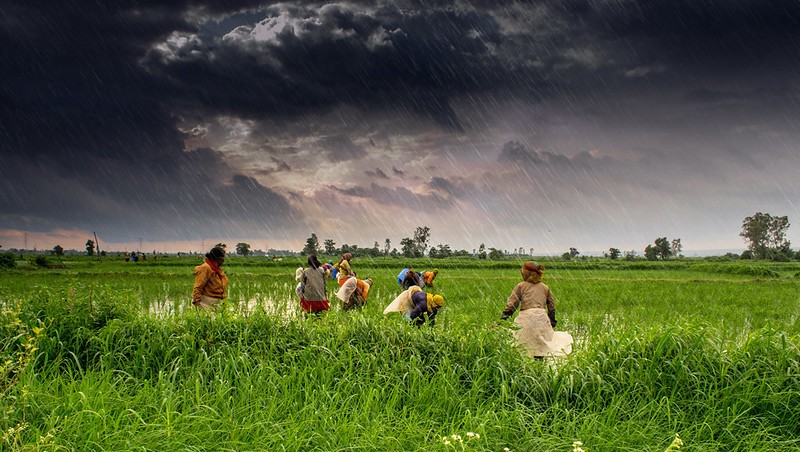
India’s agriculture sector is changing faster than ever, but farm insurance systems are still largely built around old monsoon risks. With rising climate uncertainty, shifting crop patterns, and increasing investments in technology-driven farming, experts say the country now needs a more flexible and modern insurance framework for farmers.
For decades, crop insurance in India has mainly focused on losses linked to droughts, floods, and uneven rainfall. While these risks remain important, today’s farmers face a wider set of challenges ranging from heat stress and pest attacks to supply chain disruptions and unpredictable market prices.
Agricultural experts believe that insurance products must now evolve beyond seasonal compensation models and move toward comprehensive risk protection.
“Farming is no longer dependent only on rainfall. Farmers are investing in machinery, protected cultivation, precision farming, and high-value crops. Insurance systems must reflect this shift,” said sector analysts tracking rural finance and agri-tech trends.
India has seen growing adoption of greenhouse farming, drip irrigation, solar-powered equipment, and digital farm advisory services. However, many insurance schemes still fail to adequately cover these newer farming practices and investments.
Climate change is also intensifying weather unpredictability. Sudden heatwaves, unseasonal rains, and prolonged dry spells are increasingly damaging crops even in regions that traditionally remained stable. This has exposed gaps in existing compensation systems, where claim settlement delays and limited coverage continue to frustrate farmers.
Experts are now pushing for technology-led insurance solutions using satellite imagery, remote sensing, artificial intelligence, and weather data to assess losses faster and improve transparency. Parametric insurance models, where payouts are triggered automatically based on weather conditions, are also gaining attention.
Financial institutions and agri-insurtech startups are exploring customised policies for horticulture, dairy farming, fisheries, and allied rural businesses. Such targeted coverage could help farmers diversify incomes without taking excessive financial risks.
Industry observers also stress the need for stronger awareness campaigns, as many small farmers remain unfamiliar with insurance benefits, claim procedures, and digital enrollment systems.
Government-backed schemes like the Pradhan Mantri Fasal Bima Yojana have expanded insurance reach over the years, but stakeholders say the next phase of reform should focus on speed, transparency, and wider risk coverage.
As Indian agriculture moves toward technology adoption and climate resilience, experts believe insurance can no longer remain limited to monsoon-linked crop losses. The future of rural risk management may depend on building farmer-centric insurance systems designed for a rapidly changing agricultural economy.




.png)