Facebook
 Linked In
 Twitter
 YouTube

Priya Singh
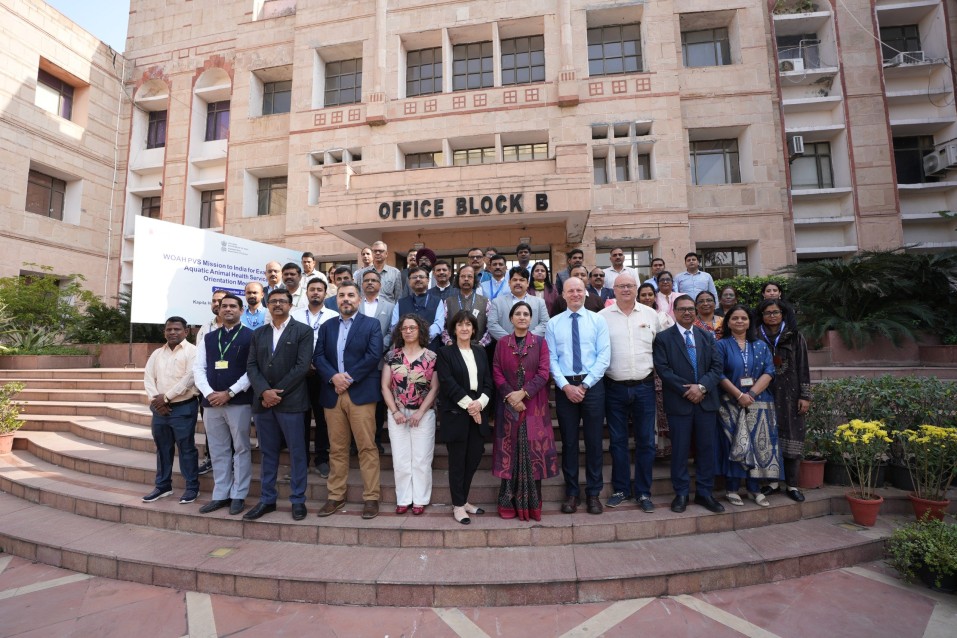
New Delhi: India has begun an international evaluation of its aquatic animal health services, with a team from the World Organisation for Animal Health (WOAH) assessing the country's systems for disease surveillance, regulatory oversight and health management in fisheries and aquaculture.
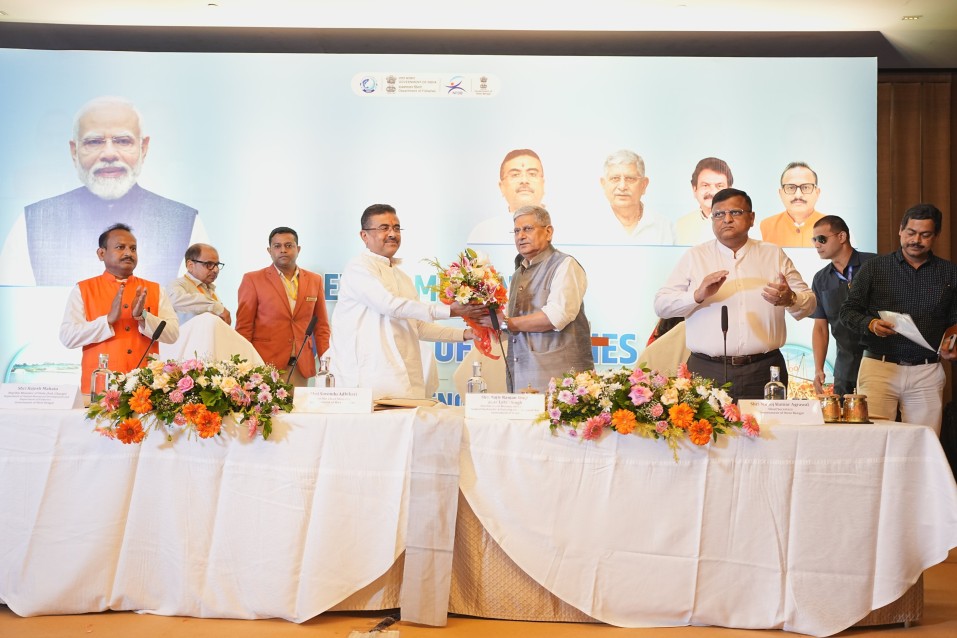
The WOAH Performance of Veterinary Services (PVS) Evaluation commenced on November 26 with an orientation meeting at the National Agricultural Science Complex in New Delhi. The assessment is being coordinated by the Department of Fisheries under the Ministry of Fisheries, Animal Husbandry and Dairying.
The evaluation comes as India seeks to strengthen its fisheries and aquaculture sector while improving disease prevention, food safety and confidence among international seafood trading partners.
The orientation meeting was attended by Gunjan Krishnan, Joint Secretary (Inland Fisheries) and WOAH National Focal Point for Aquatic Animals in India; Dr J.K. Jena, Deputy Director General (Fisheries Science), ICAR; K.C. Devasenapathi, Secretary, Coastal Aquaculture Authority; Ana Luisa da Silva Afonso, Team Leader of the WOAH PVS Mission; and K. Mohammed Koya, Fisheries Development Commissioner.
Representatives from ICAR fisheries research institutes, State Fisheries Departments, the Marine Products Export Development Authority (MPEDA), Export Inspection Council, FSSAI, Bureau of Indian Standards and other organisations also participated.
The WOAH PVS framework provides an independent, evidence-based assessment of veterinary and aquatic animal health services. It examines the resources available to these services, their technical capabilities, engagement with stakeholders, regulatory systems and ability to support market access.
During the orientation programme, discussions covered research and development, disease surveillance, capacity building, trade facilitation, export quality assurance, food safety and regulatory compliance. Standards relating to aquaculture inputs and feed were also part of the assessment agenda.
According to the Department of Fisheries, the evaluation is expected to help identify gaps and priorities for strengthening India's aquatic animal health governance.
Following the New Delhi meeting, the WOAH expert team will undertake field visits across multiple states from November 27 to December 9, 2026.
The team is expected to visit aquaculture farms, fisheries establishments, research institutes, aquatic animal disease diagnostic laboratories and quality control facilities. These visits will provide an opportunity to assess how aquatic animal health services function at the ground level.
The findings are expected to guide future capacity-building measures, targeted investments and institutional improvements.
Aquatic animal diseases can affect farm productivity, fish health and the economic viability of aquaculture operations. Stronger surveillance and diagnostic systems are therefore important for early detection, disease prevention and effective response.
The evaluation is also expected to examine how India's aquatic animal health framework aligns with international standards and supports the country's seafood trade.
Improved regulatory capacity and disease monitoring could strengthen confidence among importing countries and support India's position in global fisheries markets. The assessment also places emphasis on coordination between fisheries, animal health, food safety and research institutions under the One Health approach.
The voluntary evaluation marks an opportunity for India to review its existing institutional capabilities and identify areas requiring further attention as the fisheries and aquaculture sector expands.

.jpg)