Facebook
 Linked In
 Twitter
 YouTube

Priya Singh
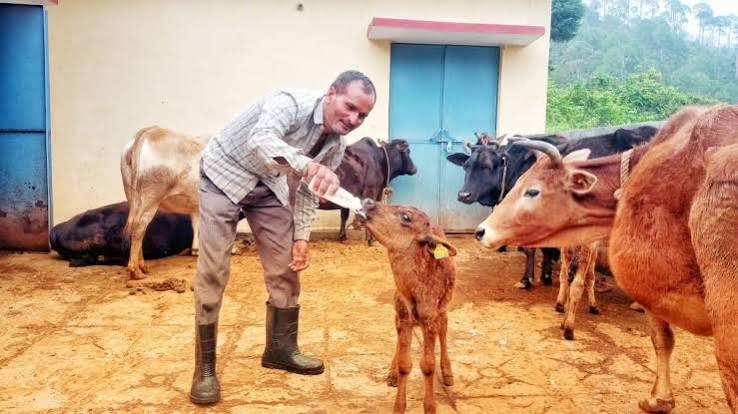
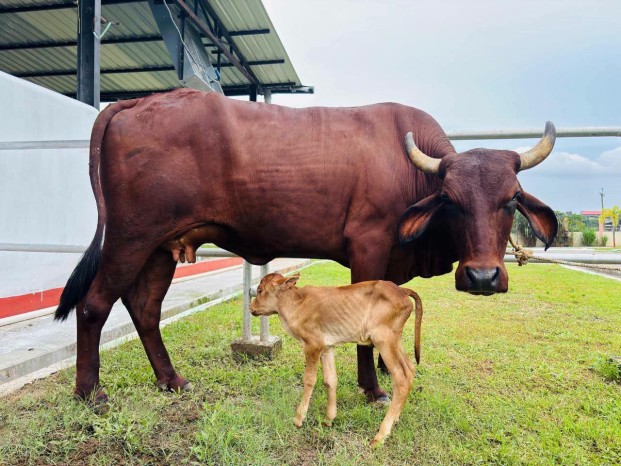
New Delhi: Uttarakhand’s indigenous Badri cattle has reached an important milestone in breed conservation and genetic improvement, with a healthy female calf born through Ovum Pick-Up and In Vitro Fertilisation (OPU-IVF) technology.
The calf was born on September 11 at the Academic Dairy Farm after a Badri embryo was transferred into a Sahiwal recipient cow. Badri cattle is an important indigenous genetic resource of Uttarakhand and is recognised as the State animal.
The achievement brings advanced reproductive biotechnology into efforts to conserve and multiply valuable Badri cattle genetic.
The work is being carried out jointly by ICAR–National Dairy Research Institute (ICAR-NDRI), Karnal, and G. B. Pant University of Agriculture and Technology, Pantnagar, with financial support from the Uttarakhand Biotechnology Council, Haldi.
The research programme began in 2023, with the collaboration focusing on establishing OPU-IVF, embryo production and embryo transfer procedures for Badri cattle.
Under the OPU-IVF process, oocytes are collected from selected genetically valuable Badri donor cows through ultrasound-guided ovum pick-up. These are matured and fertilised in vitro using semen from a genetically superior Badri bull obtained through the Uttarakhand Livestock Development Board.
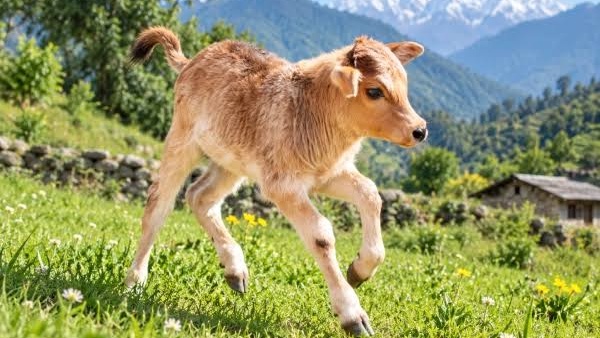
The embryos are then cultured under controlled laboratory conditions before being transferred into synchronised recipient cows.
One such Badri embryo was transferred into a Sahiwal recipient cow, which subsequently delivered the healthy female calf.
Another synchronised crossbred recipient cow is expected to deliver a Badri calf within the next 5–7 days.
The significance of OPU-IVF lies in its potential to speed up the multiplication of genetically superior female animals.
Conventional reproductive approaches can limit the number of offspring that can be obtained from an elite female during its productive lifetime. OPU-IVF can enable the production of multiple embryos from genetically valuable donor animals, creating greater scope for structured breed improvement and germplasm conservation.
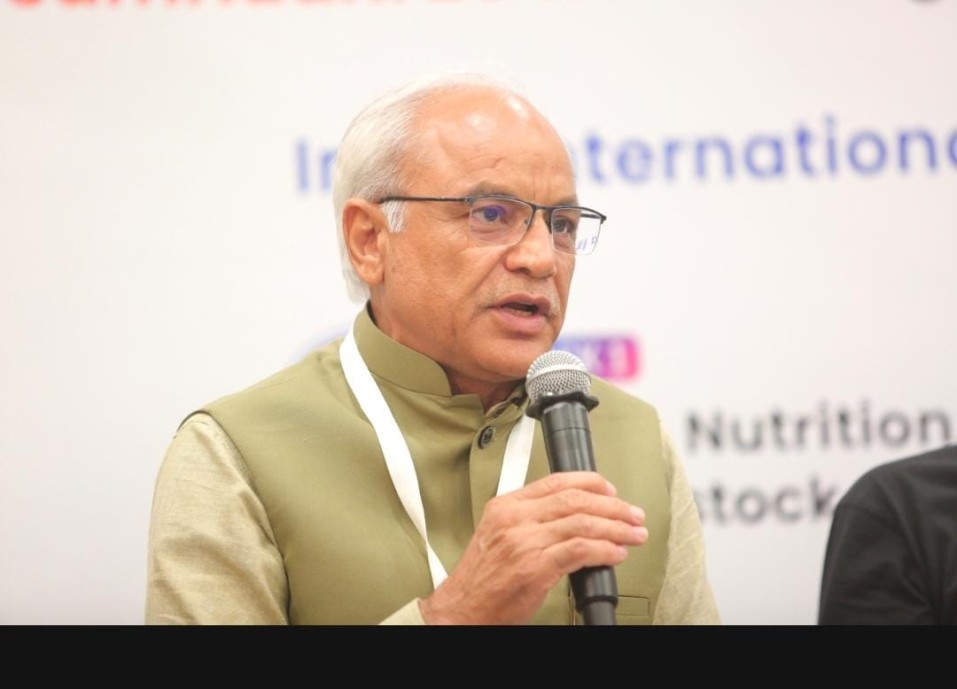
Dr Dheer Singh, Director, ICAR-NDRI, said advanced reproductive technologies such as OPU-IVF can help multiply elite female germplasm at a faster rate and strengthen technology-based conservation and genetic improvement programmes for Badri cattle.
The programme is also exploring another advanced reproductive technology — cloning of elite and high-producing Badri cows.
The collaborating team has successfully generated cloned Badri embryos through multiple stages of ongoing research. In the next phase, embryos produced through OPU-IVF and cloning are planned to be transferred into suitable Sahiwal, crossbred and Badri recipient cows.
These efforts are aimed at accelerating the multiplication of superior Badri germplasm and supporting the long-term conservation and genetic improvement of the breed.
The successful birth demonstrates how advanced reproductive technologies can be combined with indigenous livestock genetics to support breed conservation and sustainable livestock development.
For Uttarakhand, the approach could provide a technology-based pathway to preserve valuable Badri germplasm while increasing the availability of genetically superior animals.
The collaboration between ICAR-NDRI and G. B. Pant University is also expected to support further research and technology transfer for the conservation, genetic improvement and sustainable utilisation of indigenous livestock breeds in the Himalayan region.