Facebook
 Linked In
 Twitter
 YouTube

Priya Singh
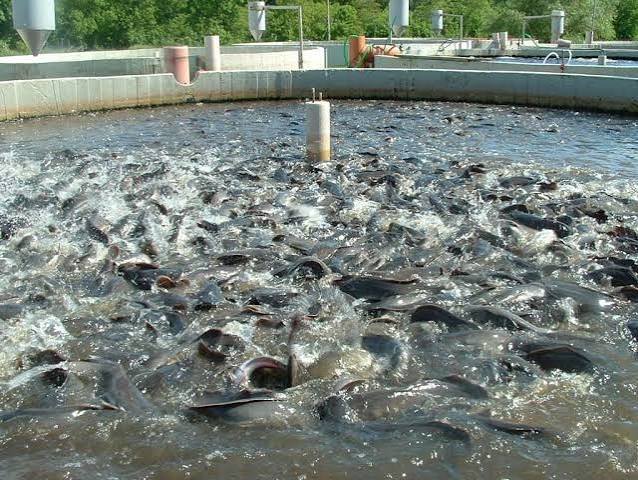
New Delhi: Technology-driven aquaculture is gaining momentum in India, with Recirculatory Aquaculture Systems (RAS) and Biofloc technology helping farmers move towards more intensive, resource-efficient and commercially viable fish production.
The fisheries and aquaculture sector supports the livelihoods of nearly three crore fishers and fish farmers and has become an important contributor to food security, rural employment, seafood exports and India’s blue economy.
India is currently the world’s second-largest fish producer, contributing around 8% of global fish production. It is also the second-largest aquaculture producer, the largest producer and exporter of shrimp, and the second-largest producer in capture fisheries.
Government investments in fisheries and aquaculture have crossed Rs 39,272 crore since 2015 through various schemes and initiatives aimed at improving production, infrastructure, technology adoption and market access.
Annual fish production increased from 95.79 lakh tonnes in 2013-14 to 198 lakh tonnes in 2024-25.
Inland fisheries and aquaculture have been a major driver of this growth, with production rising 147%, from 61.36 lakh tonnes to 151.60 lakh tonnes during the same period.
India’s seafood exports have also grown strongly, increasing from Rs 30,213 crore in 2013-14 to a record Rs 73,890 crore in 2025-26.
RAS and Biofloc are enabling fish farming in controlled environments and helping reduce dependence on conventional production systems.
RAS uses water treatment and recirculation to maintain suitable conditions for fish, while Biofloc technology uses beneficial microorganisms to improve water quality and support fish growth.
RAS can recycle up to 90-95% of water, making it suitable for areas where water availability is limited. It can also allow farmers to establish production units closer to urban markets and export centres.
Under the Pradhan Mantri Matsya Sampada Yojana (PMMSY), the government has approved 9,467 RAS units and 4,573 Biofloc units. Around Rs 4,120 crore has been invested under PMMSY to support the adoption of these technologies.
Controlled production systems can also help improve consistency, traceability and biosecurity, which are increasingly important for high-value seafood and export markets.
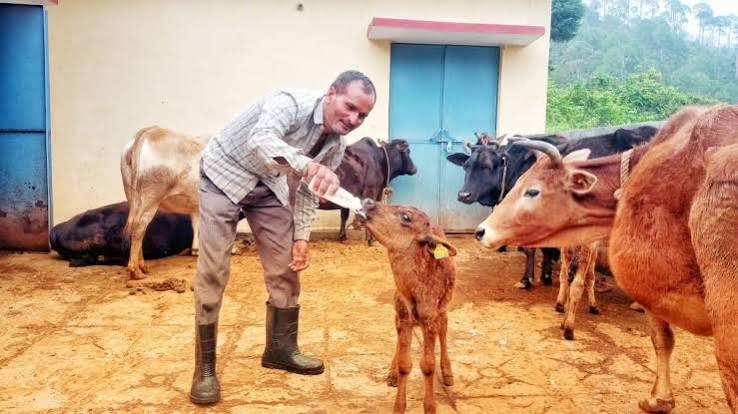
The technologies are being used across different regions and production systems. In cold-water fisheries clusters of Jammu & Kashmir, Ladakh, Uttarakhand and Himachal Pradesh, they can support premium species such as trout.
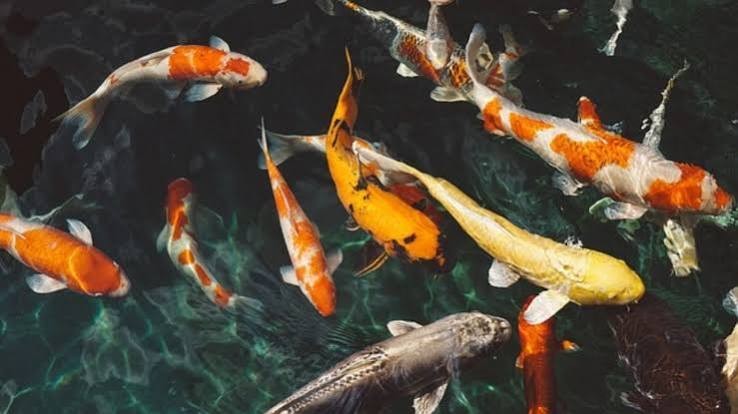
They are also being adopted for shrimp production in saline and brackish-water areas and for ornamental fish farming, creating opportunities in specialised and high-value segments.
The next phase of aquaculture growth is expected to bring together RAS and Biofloc with digital monitoring, artificial intelligence, drone-enabled services and renewable energy solutions.
Diversification into species such as shrimp, trout, seabass, tilapia, murrel and pangasius could further improve value realisation and expand access to international markets.
With greater skill development, industry partnerships and continued policy support, technology-based aquaculture could help India strengthen domestic fish production, create rural employment and expand its seafood export potential while building a more sustainable blue economy.