Facebook
 Linked In
 Twitter
 YouTube

Priya Singh
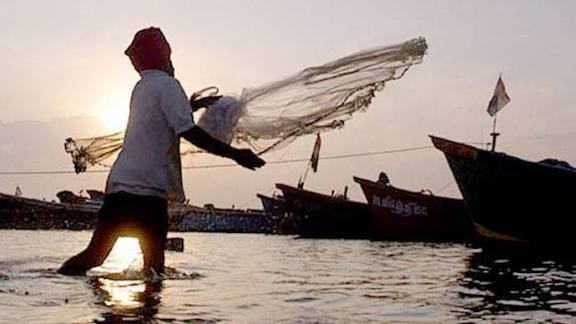
New Delhi: India’s fisheries sector is increasingly looking beyond higher fish production, with greater emphasis on processing, value addition, cold-chain infrastructure and digital marketing to improve fisher incomes and expand market access. Technology-driven enterprises, mobile fish vending units and producer organisations are also emerging as important components of this shift.
The sector plays a significant role in India’s food and nutritional security, rural employment and export earnings. However, reducing post-harvest losses, improving product quality and connecting fishers with better-paying markets remain important priorities.
According to the Department of Fisheries, the government has committed ₹39,272 crore to the sector since 2015 through schemes including the Blue Revolution programme, Fisheries and Aquaculture Infrastructure Development Fund (FIDF), Pradhan Mantri Matsya Sampada Yojana (PMMSY), Pradhan Mantri Matsya Samridhi Sah Yojana (PM-MKSSY) and Kisan Credit Card (KCC).
These programmes aim to strengthen fisheries infrastructure, improve post-harvest management and create employment and livelihood opportunities for 74.66 lakh fishers and fish farmers.
Processing and value addition are becoming increasingly important as businesses seek to cater to changing consumer preferences in domestic and export markets. Products such as ready-to-cook and ready-to-eat seafood, packaged fish, smoked fish, fish pickles and fish powder can offer producers opportunities to reach new customers and improve returns.
Value addition can also extend shelf life, reduce wastage and improve product quality. The associated activities create opportunities in processing, packaging, transportation, storage and retail, particularly for women’s groups, young entrepreneurs, cooperatives and small businesses.
For fishers and fish farmers, however, the benefits will depend on access to suitable infrastructure, reliable markets, finance and the ability to meet quality standards.
Transport and storage infrastructure remain critical to the development of higher-value fish markets, given the need to maintain freshness and quality throughout the supply chain.
The Department of Fisheries reported the addition of 46,500 facilities, including fish transportation systems, retail and wholesale markets, kiosks, feed mills, ice plants, cold storages and value-added enterprise units. The reported investment in these facilities stands at ₹3,393.85 crore.
Five modern fish markets are also under development. These are expected to integrate information technology, green technologies and logistics systems, with the potential to generate 15,900 employment opportunities.
Better-connected markets and cold-chain networks could help reduce losses between harvest and sale while improving the availability of quality fish for consumers and processors.
Technology adoption is also changing how fisheries businesses approach production, quality control and distribution. Artificial intelligence (AI), the Internet of Things (IoT), blockchain, drones, smart cold-chain systems and precision aquaculture are being explored to improve traceability, productivity and post-harvest management.
Alongside these developments, genetic improvement initiatives are aimed at producing fish varieties with faster growth, better disease resistance and improved resilience.
The Department has identified species including trout, shrimp, catla, rohu, tilapia, pangasius, seabass and scampi as potential beneficiaries of efforts to strengthen the supply of quality raw material for domestic consumption, processing and export markets.
A more consistent supply of suitable fish varieties could help processors and value-added enterprises meet market requirements while improving returns for fish farmers.
Small-scale fishers and fish farmers often face challenges related to limited capital, fragmented production and access to markets. Collective business models are intended to help address these constraints by enabling producers to pool resources, aggregate output and participate in processing and marketing.
The Department has supported the formation of 2,195 Fisheries Farmer Producer Organizations (FFPOs). Several have also been integrated with the Open Network for Digital Commerce (ONDC), creating additional avenues for reaching customers through digital platforms.
Under PM-MKSSY, 5,500 fisheries cooperatives are being strengthened to function as FFPOs in collaboration with agencies including the National Cooperative Development Corporation (NCDC), National Agricultural Cooperative Marketing Federation of India (NAFED), Small Farmers’ Agribusiness Consortium (SFAC) and North Eastern Regional Agricultural Marketing Corporation (NERAMAC).
Such organisations could help producers improve their bargaining position and participate more actively in value chains, although their impact will depend on the strength of their business operations and market connections.
Women have a significant role in fisheries, particularly in post-harvest handling, processing and small-scale marketing. Value-added products and mobile vending units are creating additional avenues for women to build businesses and diversify household incomes.
Under PMMSY, projects worth more than ₹4,155 crore, including a central share of ₹1,572 crore, have been approved over the past five years for the benefit of more than 1.28 lakh women beneficiaries, according to the Department of Fisheries.
Supported activities include fish drying, the preparation of fish pickles and papad, smoked fish products, fish powder, packaging and retailing. Mobile fish vending units and micro-processing enterprises are also supporting livelihoods across coastal, inland and northeastern regions.
These businesses can strengthen local market access while making fish and other protein-rich products available to consumers in different formats.
India’s fisheries sector is gradually expanding its focus from production to the wider value chain, with processing, logistics, technology adoption and market access playing a larger role in business development.
Public investment through PMMSY, PM-MKSSY, FIDF and KCC is intended to support this transition. But the long-term gains will depend on how effectively the infrastructure and institutional support translate into lower post-harvest losses, stronger market linkages and better returns for fishers and fish farmers.
As demand for convenient, quality-assured seafood creates new business opportunities, value addition and efficient distribution could become increasingly important to the sector’s growth. The challenge will be to ensure that small producers, cooperatives and women-led enterprises can participate in these expanding markets rather than remain concentrated at the production end of the supply chain.