Facebook
 Linked In
 Twitter
 YouTube

IndiAgri Bureau
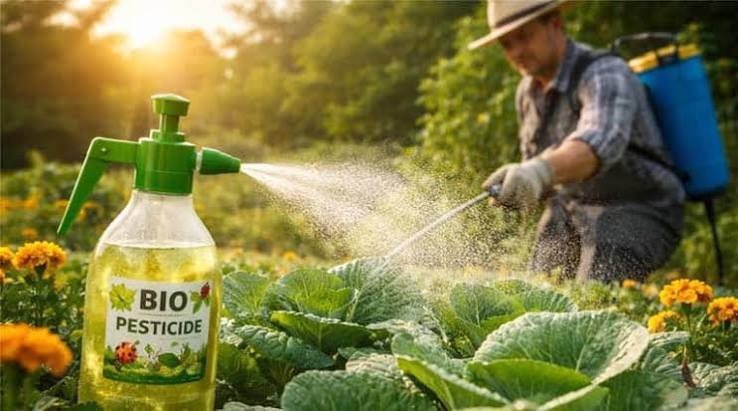
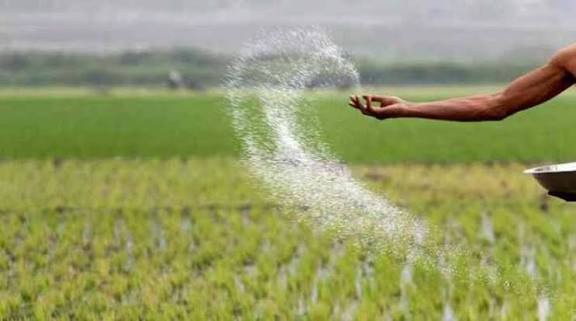
New Delhi: As Indian agriculture faces the challenge of improving crop productivity while protecting natural resources, bio-pesticides are gaining attention as an alternative to conventional chemical-based crop protection. Derived from natural sources such as plants, beneficial microorganisms and other biological materials, these products are increasingly being considered as part of sustainable pest management practices.
Bio-pesticides are designed to manage pests through biological processes, including disrupting their feeding, growth and reproduction. Unlike many conventional pesticides, certain bio-based formulations can offer more targeted pest management while helping conserve beneficial organisms and reduce the environmental impact of crop protection.
Bio-pesticides are crop protection products derived from naturally occurring materials. They broadly include botanical products, such as neem-based formulations, and microbial products that use beneficial microorganisms to suppress pests and diseases.
Neem-based bio-insecticides, for instance, have a long history of use in Indian agriculture. Advances in formulation and application technologies are also contributing to the development of newer biological crop protection solutions.
Their effectiveness, however, depends on the formulation, target pest, crop, application method and field conditions. Appropriate product selection and adherence to recommended usage instructions remain important for achieving the desired results.
One of the key considerations in sustainable agriculture is maintaining soil health. Excessive or inappropriate pesticide use can affect non-target organisms, including beneficial insects and soil microorganisms. Biological crop protection products, when properly selected and used, can help reduce reliance on certain chemical treatments and support a more balanced farm ecosystem.
Bio-pesticides can also contribute to efforts to minimise pesticide residues and reduce the risk of chemical runoff. However, residue levels and environmental outcomes depend on the active ingredient, product formulation, application practices and compliance with prescribed guidelines.
Another important area is integrated pest management (IPM). Rather than depending on a single method of pest control, IPM combines biological, cultural, mechanical and, where necessary, chemical measures. Bio-pesticides can form an important part of this approach by helping manage target pests while reducing unnecessary harm to beneficial organisms.
Repeated use of the same chemical pesticide or mode of action can contribute to the development of pest resistance. Incorporating biological products with different modes of action into an integrated pest management programme may help diversify pest control strategies.
Bio-pesticides are not entirely free from limitations. Their performance can be influenced by weather, storage conditions, timing and application practices. Some products may also act more slowly than conventional chemical pesticides. Farmers therefore need access to reliable technical guidance to determine the right product and application schedule.
Over time, effective integration of biological solutions with other crop protection measures may help farmers reduce unnecessary pesticide applications and manage input costs. The actual economic benefit will depend on the crop, pest pressure, product cost and field-level performance.
For wider adoption, farmers need access to quality-tested products suited to local crops, pests and agro-climatic conditions. Product quality, regulatory compliance, correct labelling and clear application guidance will be important in building confidence in biological crop protection.
Agricultural extension services, research institutions and agri-input companies also have a role in improving awareness and demonstrating the performance of these products under field conditions.
The transition towards sustainable crop protection does not necessarily require farmers to abandon conventional practices altogether. A gradual approach, beginning with the integration of biological products into selected crops and pest management programmes, can help farmers assess their effectiveness.
As India works towards more resource-efficient and resilient agricultural systems, bio-pesticides offer an additional tool for managing crop pests. Their contribution will ultimately depend on scientific validation, responsible use, product quality and their effective integration into broader integrated pest management practices.







.jpeg)