Facebook
 Linked In
 Twitter
 YouTube

Priya Singh

New Delhi: The Federation of Seed Industry of India (FSII) has welcomed the GST Council’s recommendations to exempt storage and warehousing services for seeds meant for sowing, saying the move could reduce costs for the seed industry. The federation has also called for clarity on two other tax proposals that could affect business costs and working capital.
In a statement issued on October 17, FSII said the proposed exemption, recommended at the 57th GST Council meeting in New Delhi, addresses a long-standing cost for the seed value chain. Seeds continue to be nil-rated under GST, with no change in their applicable tax rate. However, GST paid on seed storage and warehousing services has so far been an unrecoverable cost for the industry.
The proposed exemption is expected to ease this burden at a critical stage in the supply chain, as proper storage helps preserve seed quality and viability before the sowing season.
FSII also welcomed proposed reforms aimed at improving export competitiveness. These include faster, system-based refunds and expanded eligibility for refunds of input tax credit on capital goods for eligible seed exporters. According to the federation, the measures could improve cash flow and reduce the financial burden on businesses involved in seed exports.
The proposed changes to e-way bill interception, registration and penalties were also welcomed by the industry body. Seed companies, dealers and distributors often move consignments across state borders within limited sowing windows, making timely movement and simpler compliance important for seed availability.
However, FSII flagged two proposals that require further clarification. The first is a proposed 5% GST without input tax credit on specified e-commerce delivery services. The second is a 2% tax deducted at source (TDS) on specified business-to-business waste and scrap transactions.
The federation said both measures could have cost or working-capital implications for affected businesses. It plans to engage with the government to understand their scope and application to the seed sector.
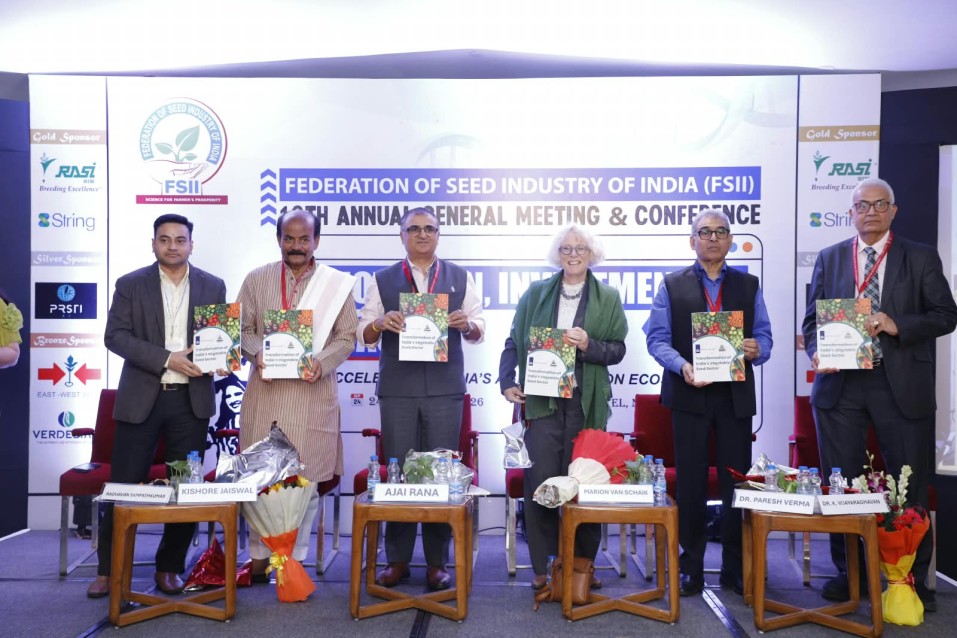
Commenting on the recommendations, FSII Chairman Ajai Rana said the warehousing exemption addresses a long-standing cost in the seed value chain and reflects the GST Council’s focus on ease of doing business.
He said reducing costs associated with storage, transportation and exports could help strengthen farmers’ access to quality seeds. The federation will assess the proposed changes with its members and engage with the government to seek clarity on implementation, particularly to avoid disproportionate compliance requirements or additional costs for sections of the industry.
Most of the procedural reforms recommended by the GST Council are expected to take effect from April 1, 2027.
The proposed changes could have implications for seed storage, distribution and exports, although their overall impact will depend on the final provisions and how they are implemented.