Facebook
 Linked In
 Twitter
 YouTube

Priya Singh
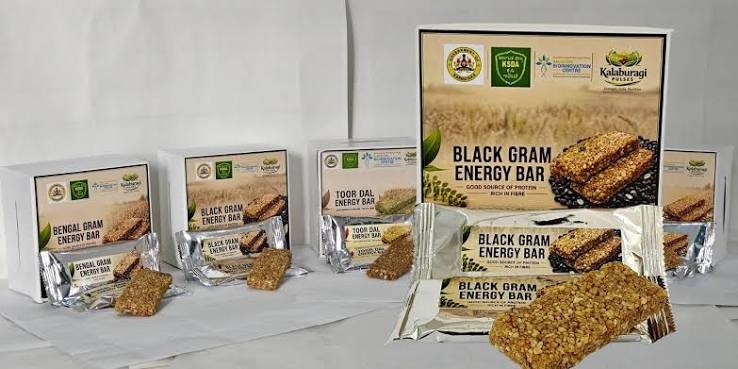
Bengaluru, Karnataka: Pulses grown in Karnataka’s Kalaburagi region are being given a new route to market, with the Bangalore Bioinnovation Centre (BBC) developing ready-to-eat energy bars using locally produced pulses.
The initiative is part of the Kalyana Karnataka Bio-Economy Mission and has been taken up in association with the Karnataka State Department of Agriculture under the Kalaburagi Pulses initiative. The focus is on turning locally available farm produce into higher-value food products rather than selling it only as raw grain.
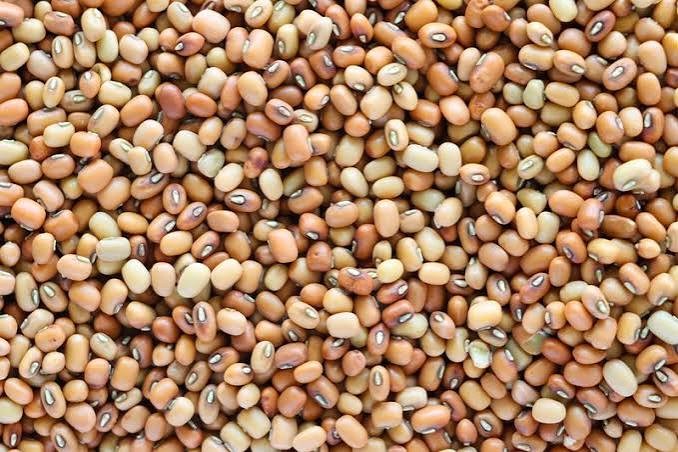
The centre has developed six variants using toor dal, black gram, green gram and Bengal gram. The range includes single-pulse products, a multi-pulse bar and a higher-protein formulation.
For the single-pulse variants, pulse crisps are combined with ingredients such as roasted peanuts, jaggery, oats and pumpkin seeds. The formulations are being developed without synthetic colours, flavours or chemical preservatives.
Kalaburagi is an important pulse-growing region, but a significant share of its produce traditionally moves out of the district as raw grain. This means that much of the processing and value creation takes place outside the production region.
The new initiative is aimed at changing that equation by exploring shelf-stable, plant-based protein products made from locally grown pulses.
For farmers and producer organisations, the opportunity lies beyond simply increasing production. Local processing can create additional avenues for value addition, branding and market access while allowing a larger share of the value generated from agricultural produce to remain within the region.
The initiative is also looking beyond product development. The Bangalore Bioinnovation Centre plans to make the technology available to interested Farmer Producer Organisations (FPOs), self-help groups and MSMEs in Kalyana Karnataka.
This could allow local enterprises to participate in processing and build businesses around the region’s pulse production, instead of remaining limited to commodity sales.
The centre's broader work under the Kalyana Karnataka Bio-Economy Mission includes developing value-added products from crops that are important to the region. Its recent initiatives include work on toor dal, black gram, green gram and Bengal gram, with the aim of translating scientific innovation into economic opportunities for farmers and local agricultural communities.
The nutritional claims associated with the products are still subject to accredited laboratory validation and the required FSSAI declaration. The energy bars are therefore currently best viewed as a product-development and value-addition initiative rather than a retail-ready commercial launch.
For Kalaburagi’s pulse economy, the bigger takeaway is clear: the next opportunity may not only be to grow more pulses, but to capture more value from every kilogram produced.