Facebook
 Linked In
 Twitter
 YouTube

Priya Singh
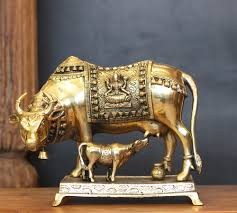
New Delhi: India's rich agricultural and dairy heritage has received international recognition, with the Food and Agriculture Organization (FAO) formally accepting a Kamadhenu sculpture for inclusion in the permanent collection of its Food and Agriculture Museum and Network (FAO MuNe) in Rome.
The sculpture, gifted by the Department of Animal Husbandry and Dairying (DAHD), Government of India, through the National Dairy Development Board (NDDB), represents India's longstanding cultural and agricultural relationship with livestock.
The formal acceptance was conveyed through a letter from the FAO Deputy Director-General, following the endorsement of the organisation's Consultative Committee on Art Donations. FAO recognised the sculpture's alignment with the museum's mission to celebrate agricultural heritage, cultural traditions and sustainable agrifood systems across the world.
However, the significance of this development extends beyond the inclusion of an Indian sculpture in an international museum. It brings attention to the historical relationship between cattle, agriculture and rural livelihoods in India.
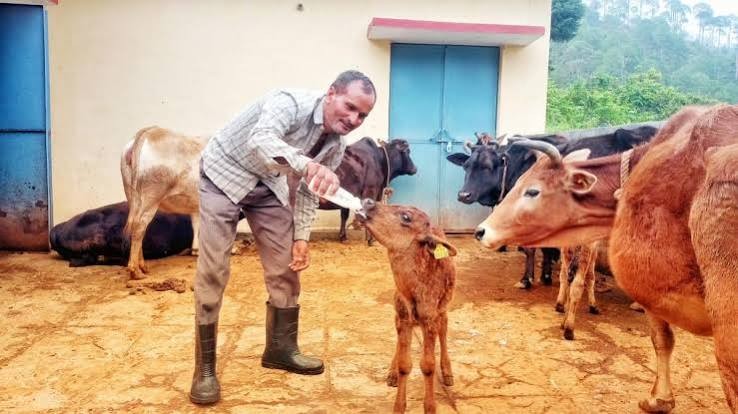
Kamadhenu, traditionally revered in Indian culture as a symbol of abundance, nourishment and prosperity, holds a significant place in the country's cultural traditions. The symbolism also reflects the importance of cattle in India's agrarian society, where livestock has historically supported farming households through milk production, nutrition and supplementary income.
India's dairy sector has evolved considerably from traditional household-level milk production into one of the country's major agricultural and rural economic activities. Millions of dairy farmers, particularly small and marginal producers, depend on livestock for their livelihoods. The cooperative dairy movement has further strengthened this ecosystem by connecting village-level milk producers with organised markets, processing facilities and consumers.
The inclusion of the Kamadhenu sculpture in FAO MuNe provides an opportunity to highlight this wider relationship between India's cultural heritage and its agricultural economy.
Inaugurated at FAO headquarters in Rome in October 2025, FAO MuNe seeks to bring together agricultural artefacts, artworks, traditional knowledge and cultural expressions from different parts of the world. The initiative recognises that agriculture is not merely about food production but is also deeply connected with history, cultural identity, community knowledge and livelihoods.
For India, the recognition comes at a time when the country's agricultural and dairy sectors are increasingly engaging with global conversations on food security, sustainability, climate resilience and rural development.
Traditional livestock-based farming systems have long been part of India's rural landscape. Practices involving livestock, crop cultivation and the recycling of farm resources have contributed to integrated agricultural systems across different regions. Preserving the knowledge associated with these practices remains relevant as agriculture adapts to emerging environmental and economic challenges.
The FAO's acceptance of the sculpture also highlights the importance of cultural heritage in shaping conversations about the future of agriculture. While modern technologies, scientific research and improved production systems remain essential, traditional knowledge and the experiences of farming communities continue to offer valuable perspectives.
The presence of Kamadhenu in FAO's permanent collection offers India an opportunity to present its agricultural traditions to a wider international audience. It also draws attention to the contribution of livestock and dairy farming to the country's rural economy and food systems.
As India continues to strengthen its agricultural and dairy sectors, the preservation and global representation of its agricultural heritage can play an important role in building greater awareness of the country's contribution to sustainable agrifood systems.
The development is therefore not just a moment of cultural recognition but also a reminder of the enduring connection between India's agricultural traditions, livestock and rural livelihoods.


.jpg)