

FSII welcomes GST warehousing exemption for seeds, seeks clarity on proposed tax changes
FSII has welcomed the proposed GST exemption on seed storage and warehousing services, along with export and c...

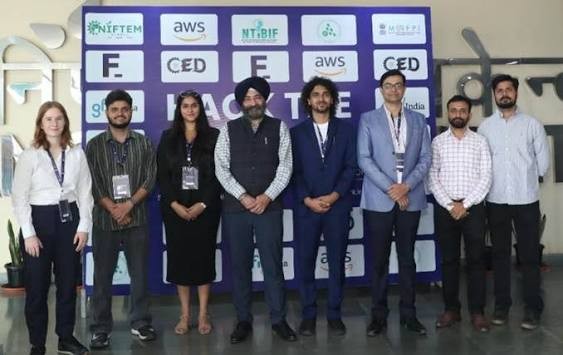
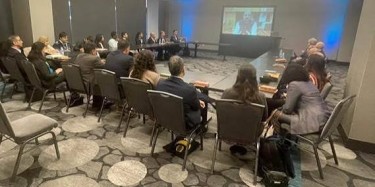
New Delhi: The National Institute of Food Technology Entrepreneurship and Management, Kundli (NIFTEM-K), has hosted a 24-hour artificial intelligence (AI) hackathon aimed at developing technology-driven solutions for challenges in the alternative protein industry, bringing together more than 90 participants from 10 states. Titled Hack the Fork, the event was held on October 24–25 in collaboration with France-based non-profit initiative Hack the Fork. It focused on applying AI to areas such as plant-based food innovation, fermentation technologies, nutritional optimisation, food safety, sustainable food production and food waste reduction. Of more than 85 teams that applied, 25 were shortlisted for the final round. A total of 22 teams participated in the hackathon, representing a range of institutions and disciplines, including the Indian Institutes of Technology (IITs), Indian Institutes of Information Technology (IIITs) and the University of Delhi. The participating teams presented their solutions to an expert jury after working on the challenges during the 24-hour event. The winning teams competed for prizes worth Rs 1.5 lakh and opportunities to join NIFTEM-K’s Startup Incubation Programme. The hackathon sought to explore how AI could help address emerging challenges in alternative protein development and contribute to more sustainable food systems. The areas of interest included...

Get Latest updates of upcoming event in IndiaAgri below




.png)


.jpeg)





.jpg)
.jpg)
.jpg)