Facebook
 Linked In
 Twitter
 YouTube

Priya Singh
.png)
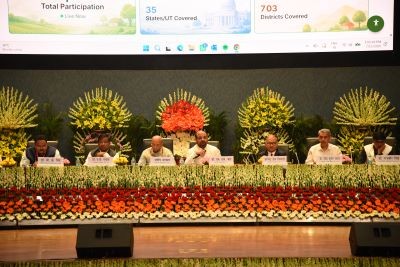
Varanasi: A World Bank delegation visited Varanasi to review ongoing efforts to connect farmers with digital technology, climate-smart farming practices, scientific research and private-sector services under the UP-AGREES and Agri-Connect programmes.
The delegation, led by World Bank Group Managing Director Paschal Donohoe, interacted with farmers, Farmer Producer Organisations (FPOs), researchers and technology partners during a series of field visits and demonstrations. The focus was on how technology and innovation can help improve farm productivity, strengthen resilience and create better income opportunities for farmers.
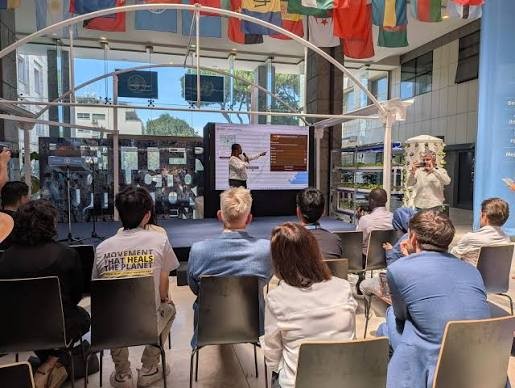
The visit began at the International Rice Research Institute (IRRI), where the delegation was shown digital agriculture and artificial intelligence-based technologies under the Open Network for Agriculture (ONA) initiative.
Farmers and FPO representatives shared their experiences with services including AI-based agricultural advisories, pest identification and soil testing. Technology partners also explained how digital platforms can connect farmers with relevant agricultural services.
Several private-sector companies presented their agriculture-focused service models, covering areas such as farm services, digital solutions and market linkages.
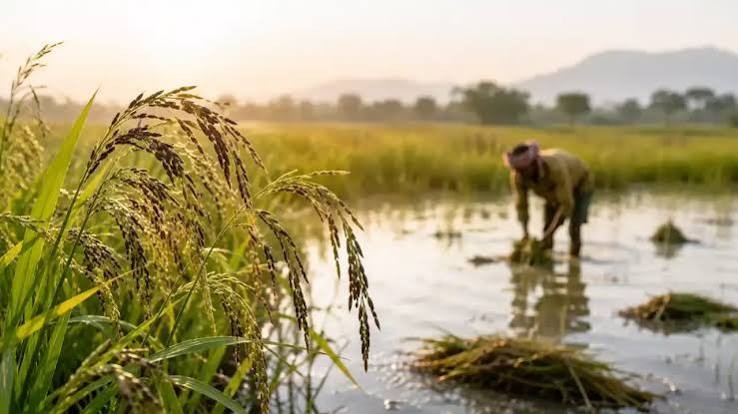
At Goshila village in Sewapuri block, the delegation observed climate-smart practices in paddy cultivation.
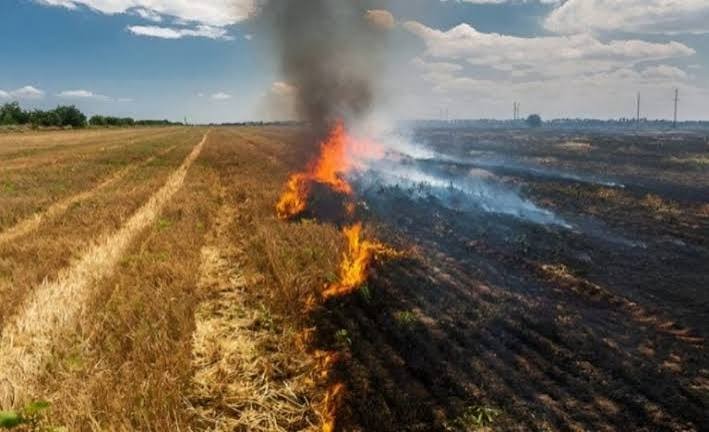
The field demonstrations included Direct Seeded Rice, farm mechanisation, narrow-wheel sprayers, balers and crop residue management technologies. Drone-based seeding and spraying were also demonstrated as part of the visit.
The discussions also covered greenhouse gas measurement, Custom Hiring Centres and opportunities for greater private-sector participation in agriculture.
The delegation also visited Tilak Fish Farm in Sewapuri, where officials highlighted the role of fisheries and other allied activities in creating additional and more sustainable income sources for farmers.
The visit underlined the importance of moving beyond crop cultivation alone and strengthening integrated income opportunities across rural areas.
Another area of discussion was the potential for farmers to benefit from crop residue management and carbon markets alongside climate-smart farming practices.
The delegation later visited the IRRI South Asia Regional Centre and its Geographic Information System laboratory, further highlighting the role of scientific research and data-driven approaches in modern agriculture.
The Varanasi programme brought together technology, research, mechanisation, climate-resilient farming, allied activities and private-sector participation around a common objective: helping farmers improve productivity while building more sustainable and resilient rural livelihoods.

.jpeg)