Facebook
 Linked In
 Twitter
 YouTube

Priya Singh
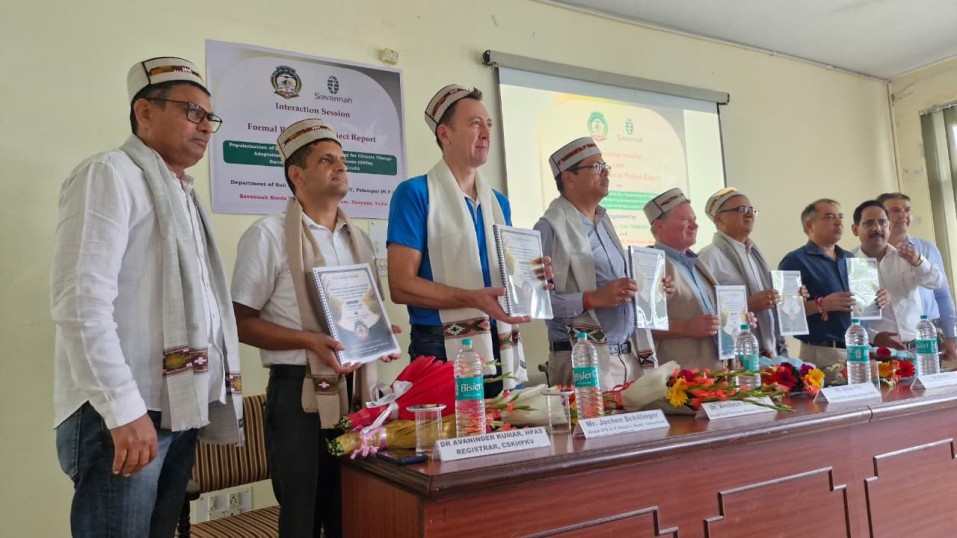
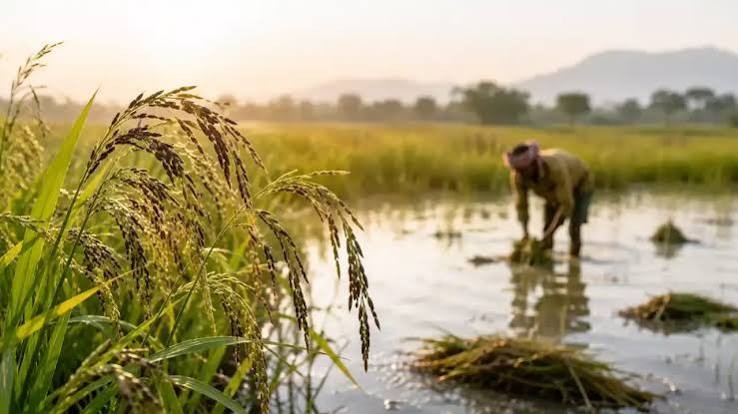
Palampur: Himachal Pradesh’s Farm University, CSKHPKV, and Savannah Seeds, a leader in rice seed technology, today announced results from a multi-year study showing that direct-seeded SAVA-134 FullPage® can help make rice production more climate-smart and resource efficient. Compared with conventional transplanted rice systems, the approach reduced methane emissions by nearly 90%, delivered the highest water productivity, improved soil health, and showed the greatest potential for carbon credit generation.
The study, “Popularization of Direct-Seeded Rice Technology for Climate Change Adaptation by Reducing GHG Emissions and Acquiring Carbon Credit,” was conducted in two major rice-growing regions of Himachal Pradesh, India. Led by Dr. Dhanbir Singh, Assistant Soil Chemist, Department of Soil Science, CSKHPKV, Palampur, and supported by Savannah Seeds, the research compared conventional transplanted rice with direct-seeded rice across multiple growing seasons. The assessment focused on yield, water use, GHG emissions, and soil health.
Among the direct-seeded treatments evaluated, SAVA-134 FullPage® delivered the strongest overall balance of productivity, resource efficiency, and environmental sustainability. It maintained strong yields while using fewer resources and generating a significantly smaller carbon footprint.
Rice is the world’s most important food crop, grown on more than 164 million hectares (405 million acres) and serving as a primary source of energy for more than half of the global population. Asia produces about 90% of the world’s rice, much of it through transplanted systems that require flooded fields, intensive labor, and large volumes of water. These practices also contribute significantly to methane emissions. As farmers face rising pressure from labor shortages, water scarcity, production costs, and climate change, more sustainable rice production methods are increasingly important.
“Our goal was to evaluate practical solutions that can help farmers improve productivity while reducing environmental impact,” said Dr. Singh. “The results demonstrate that direct-seeded rice can play an important role in advancing more climate-smart and resource-efficient rice production systems.”
“This study is a strong example of a public-private partnership working to develop climate-resilient and sustainable farming practices,” said Dr. Vinod Sharma, Director of Research, CSKHPKV Palampur.
Key Findings
The findings show that direct-seeded rice can help farmers improve resource efficiency, reduce environmental impact, and build more resilient production systems.
"Rice farmers are being asked to produce more food with fewer resources while also reducing environmental impacts," said Ajai Rana, CEO & MD Savannah Seeds. "This research demonstrates that innovation in crop genetics and production practices can help achieve both goals."

.jpeg)
.png)