Facebook
 Linked In
 Twitter
 YouTube

IndiAgri Bureau
.jpg)
New Delhi: India and Afghanistan have agreed to expand their agricultural partnership with a strong focus on quality seeds, climate-resilient farming, irrigation, research, technology transfer and capacity building. The two countries also decided to work towards setting up a Joint Working Group (JWG) to prepare a long-term roadmap for cooperation in agriculture and livestock.
The decision was taken during a bilateral meeting between Union Agriculture and Farmers' Welfare Minister Shivraj Singh Chouhan and Afghanistan's Minister of Agriculture, Irrigation and Livestock H.E. Mawlawi Ataullah Omari in New Delhi on Tuesday.
The meeting reviewed the ongoing collaboration between the two countries while identifying new opportunities in agricultural research, irrigation, livestock, education, agri-trade and institutional partnerships. Senior officials from the Ministry of Agriculture & Farmers' Welfare and the Indian Council of Agricultural Research (ICAR) also participated in the discussions.
Speaking during the meeting, Chouhan said India and Afghanistan share a long-standing relationship built on trust and close people-to-people ties. He reaffirmed India's willingness to support Afghanistan's agricultural development by sharing scientific expertise, improved technologies and institutional experience aimed at enhancing food security, farm productivity and farmers' incomes.
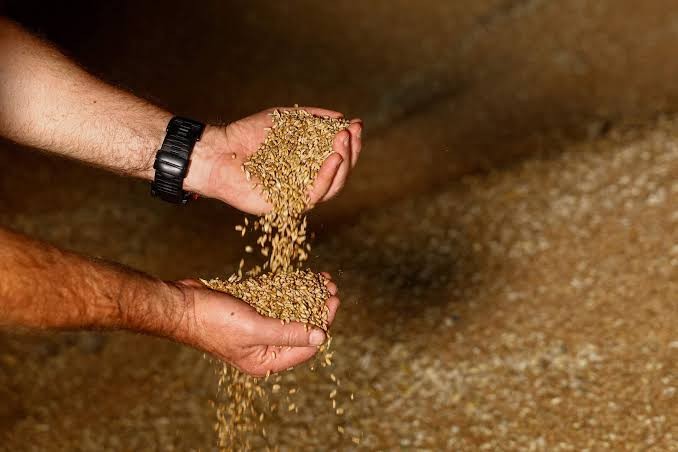
One of the key priorities discussed was improving Afghanistan's crop productivity, particularly wheat, which remains the country's most important staple crop. The Afghan delegation sought India's support in strengthening its seed system through improved varieties and research collaboration.
India offered assistance by providing quality seeds of wheat, maize and potato, along with climate-resilient and biofortified crop varieties. ICAR institutions are expected to play a major role in supporting Afghanistan through research partnerships and technical expertise.
With Afghanistan facing increasing water scarcity and climate-related challenges, irrigation and water conservation emerged as another major area of cooperation.
India shared its experience in micro-irrigation, rainwater harvesting, watershed development, farm ponds, check dams and efficient water-use technologies. Chouhan said sustainable agriculture depends on water conservation, scientific farming practices and the use of quality seeds, while assuring India's support in developing resilient irrigation systems.
The discussions also covered cooperation in several emerging areas of agriculture, including:
India proposed stronger institutional partnerships between ICAR and Afghan agricultural institutions through joint research projects, faculty and student exchange programmes, laboratory support and specialised training for scientists, extension workers and veterinarians.
Both countries acknowledged the untapped potential in bilateral agricultural trade and agreed to encourage greater private sector participation. Discussions included expanding trade in agricultural commodities, quality seeds and value-added products, while strengthening agricultural value chains and improving market access for Afghan farm produce.
ICAR officials highlighted the long-standing collaboration between the two countries in areas such as germplasm exchange, irrigation, watershed management and human resource development. They also expressed readiness to further expand cooperation in wheat research, horticulture, livestock, dairy, fisheries and agricultural technology.
To ensure sustained engagement, India and Afghanistan agreed to work towards establishing a Joint Working Group that will prepare a structured roadmap for future cooperation, facilitate regular institutional dialogue and identify new areas of mutual interest.
Concluding the meeting, Chouhan reiterated India's commitment to supporting Afghanistan's agricultural transformation through research, innovation, technology transfer and capacity building, with the broader objective of promoting sustainable agriculture, strengthening food security and improving farmers' livelihoods in both countries.



.jpeg)
.jpg)