Facebook
 Linked In
 Twitter
 YouTube

IndiAgri News Desk

India has placed food security and agriculture at the forefront of its agenda at the ongoing World Trade Organization (WTO) discussions, reiterating its commitment to safeguard farmer interests and ensure policy flexibility in global trade frameworks.
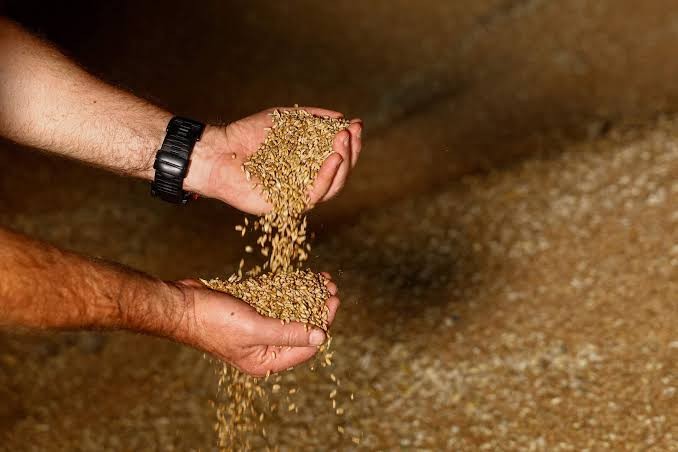
At the negotiations, India is strongly advocating for a permanent solution on public stockholding (PSH) of food grains — a key mechanism that allows the government to procure, stock and distribute food to ensure national food security. India has consistently argued that existing WTO rules unfairly constrain such programmes for developing nations.
Officials emphasised that food security cannot be subjected to rigid trade disciplines, particularly at a time when global agriculture faces increasing disruptions due to climate variability, geopolitical tensions and supply chain shocks.
India is also raising concerns over imbalances in global agricultural trade, including continued high subsidies in developed countries that distort markets and disadvantage farmers in developing economies.
The country’s stance reflects a broader push to ensure that minimum support mechanisms, procurement systems and farmer welfare policies remain protected under international trade agreements.
The WTO meeting comes at a time when global food systems are under pressure, with rising input costs, fluctuating commodity prices and climate-induced production risks affecting both producers and consumers.
India’s position signals a clear policy priority: domestic food security and farmer livelihoods will remain non-negotiable, even as the country engages actively in shaping global trade rules.
The outcome of these discussions is expected to have significant implications for India’s agricultural policy space, public procurement systems and long-term food security strategy.

.jpeg)
.jpg)

.jpg)