Facebook
 Linked In
 Twitter
 YouTube

Sheldon Fleming
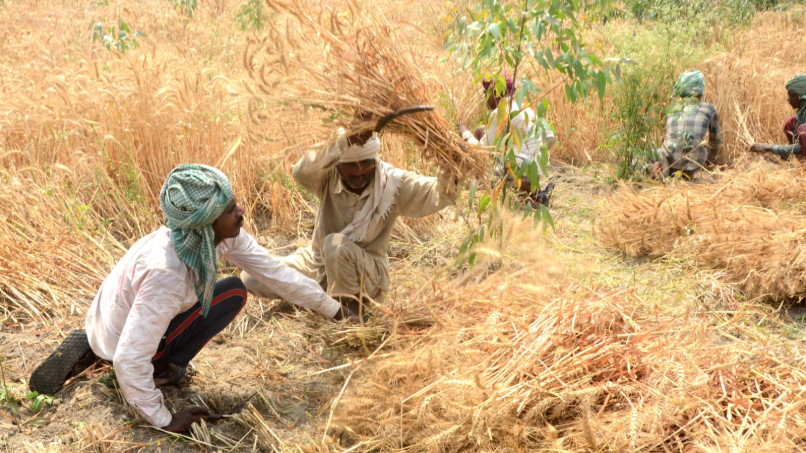
The recent tensions going on around the world have given a clear warning to India that global supply chains are fragile. Reacting only to short-term shocks misses the bigger goal which is to build true resilience India must look ‘beyond the farm gate’. India’s agricultural economy is currently valued at $600 billion and could cross $1 trillion over the next decade. Reaching this milestone won’t happen just through traditional farming but it will require a scale up in processing, storage, logistics and market linkages. This will strengthen domestic consumption and India’s position in global agriculture value chains.
The India-EU FTA is an opportunity. Indian agricultural commodities will see a direct tariff relief but it signals a shift towards value led growth model for Indian agriculture. European demand for agri-food is seen more by regulation than tariffs. Market access depends on food safety audits, residue limits and sustainability disclosures. The India-EU FTA is only a starting point. Opportunities will emerge across Middle East, Central and Southeast Asia and Africa. Several Indian sectors show how this turns out. Processed foods and beverages reach European consumers in modest but growing volumes. Tea and coffee tell a similar story as spices.
But the same forces that reward capability also increase inequality. Smallholders without aggregation, fragmented logistics and limited access to testing infrastructure face disadvantages. For policymakers the implication is both encouraging and demanding. Public investment in testing infrastructure, trade policies, and stronger Centre-state coordination which can widen participation and reduce exclusion.



.jpeg)
.jpg)


.jpg)