Facebook
 Linked In
 Twitter
 YouTube

Priya Singh
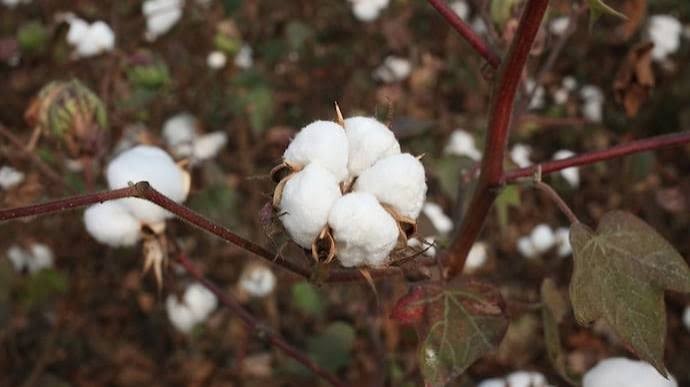
New Delhi: Unauthorised herbicide-tolerant Bt (HTBt) cotton cultivation has spread across an estimated 65–72 lakh acres in India, accounting for 24–30% of the country's cotton area during the 2025-26 kharif season. The practice has also fuelled an informal seed market estimated at Rs. 1,500 crore, according to a new field study by the South Asia Biotechnology Centre (SABC), supported by the Federation of Seed Industry of India (FSII) and the National Seed Association of India (NSAI).
The findings point to a growing gap between farmers' demand for weed-management options and the technologies available through authorised channels. The study warns that continued use of unapproved seeds and unmonitored herbicide application could increase risks related to pest and weed resistance, seed quality, biosafety and intellectual property.
Titled Unauthorised Cultivation of HTBt Cotton in India: Extent, Drivers & Implications, the study examined 16 districts across Maharashtra, Telangana, Andhra Pradesh and Rajasthan. It combined farmer surveys and supply-chain assessments with laboratory testing using the enzyme-linked immunosorbent assay (ELISA) method.
Laboratory analysis found that 98.2% of the field samples carried at least one genetically modified trait. Around 41.9% contained four transgenes, described in the study as quadruple stacks, including Vip3A, an insect-resistance gene that has not been approved for cultivation in India.
The findings raise concerns about the spread of unapproved genetic traits outside the formal seed regulatory system. Without authorised supply channels and monitoring, it becomes harder to ensure seed quality, track the traits being cultivated and implement appropriate resistance-management practices.
Dr C.D. Mayee, president of the Indian Society for Cotton Improvement and the South Asia Biotechnology Centre, warned that the unchecked use of unapproved genes and unmonitored glyphosate spraying could encourage resistant pests and weeds, potentially affecting cotton productivity. He stressed that effective stewardship requires the technology to operate within a legal and regulated framework.
The study identifies the rising cost and limited availability of agricultural labour as important factors behind the spread of unauthorised HTBt cotton.
According to the findings, weed control using glyphosate costs around Rs. 750–850 per acre, compared with Rs.12,000–15,000 per acre for manual weeding. This cost difference is encouraging some farmers to seek herbicide-tolerant seeds through informal channels.
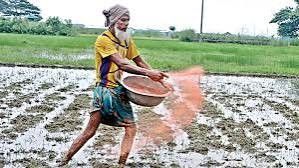
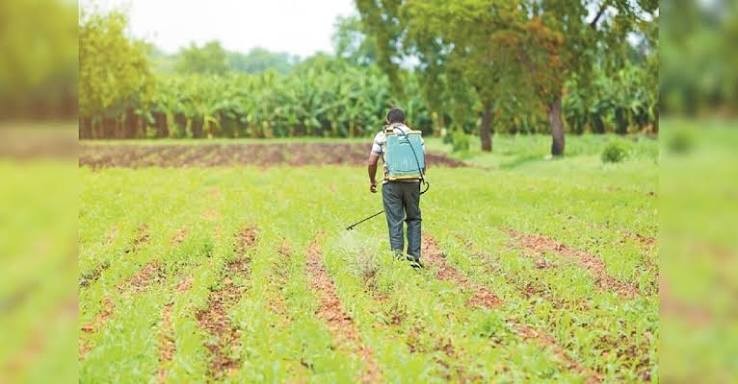
Glyphosate consumption also increased during the period covered by the study. Its reported volume rose 26%, from 27,721 kilolitres in 2024-25 to 35,642 kilolitres in 2025-26. The study says a substantial quantity is now sold through underground networks, including in 20-litre drums.
Meanwhile, sales of authorised Bollgard-II cotton seed declined by 22.3% between 2022 and 2026, according to the study.
Ajai Rana, chairman of FSII, said farmers were paying a premium in the informal market because they lacked access to the technology they needed. He argued that the scale of unauthorised cultivation called for a review of the regulatory approach rather than placing the entire burden on farmers.
Rana also linked declining productivity to India's loss of self-sufficiency in cotton, arguing that approvals for herbicide-tolerant cotton and technologies targeting pink bollworm should become a national priority.
The study found substantial differences in unauthorised HTBt cotton adoption across the states surveyed.
Maharashtra recorded an estimated adoption rate of 58%, rising to 76% in Yavatmal. Telangana reported 66%, with adoption reaching 82% in Mahabubabad, while Andhra Pradesh recorded 49%, peaking at 75% in Kurnool.
Rajasthan showed negligible HTBt cotton use, although the study reported growing demand for unauthorised BG-III seed to address pink bollworm infestations.
The state-level findings suggest that the spread of unauthorised seeds is not uniform. Local pest pressure, weed-management costs, labour availability and farmers' access to alternative technologies may all influence demand.
Because unauthorised seeds operate outside the formal regulatory framework, farmers may lack reliable quality assurances and clear avenues for redress if the crop fails.
The study also flags the risks of unmonitored glyphosate use and inadequate resistance management. Without appropriate safeguards, repeated use of the same weed-control approach can increase selection pressure on weeds, while unapproved insect-resistance traits may complicate pest management.
The findings therefore highlight a challenge that goes beyond enforcement: how to address farmers' operational needs while maintaining biosafety, quality control and responsible technology use.
The report recommends a set of measures aimed at bringing the demand for herbicide-tolerant cotton into a regulated system.
Its key recommendations include:
Fast-track approval of BGII-RRF cotton, enabling farmers to access seed through authorised channels with stewardship requirements.
Expand glyphosate label claims to permit regulated in-crop use and bring application under formal monitoring.
Promote integrated weed management, including herbicide rotation and appropriate spray timing, with applications limited to 25–30 days after germination as recommended in the study.
Strengthen field surveillance and resistance-management practices.
Establish a predictable, transparent and time-bound regulatory pathway for new seed technologies.
The study argues that continued delays could deepen the risks associated with unauthorised cultivation. Its central recommendation is to combine regulatory oversight with access to approved technologies and clear stewardship measures.
For India's cotton sector, the findings bring the debate back to a practical question: how can farmers manage weeds, labour costs and pest pressure without compromising seed quality, biosafety or long-term productivity?