Facebook
 Linked In
 Twitter
 YouTube

Priya Singh

New Delhi: The Government has said that 70,652 samples of fruits and vegetables were collected and tested for pesticide residues across 23 States and Union Territories during 2023-26, as part of the Monitoring of Pesticide Residues at National Level (MPRNL) project.
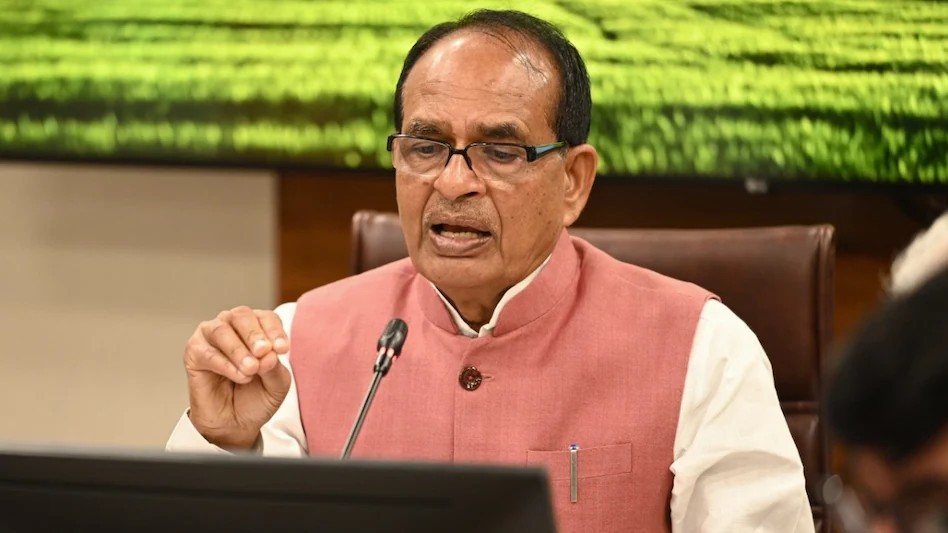
The information was provided by Union Agriculture and Farmers Welfare Minister Shri Shivraj Singh Chouhan in the Lok Sabha in response to a question on the excessive or indiscriminate use of pesticides.
Of the 70,652 fruit and vegetable samples tested, 2,223 samples, or 3.1 per cent, were found to contain pesticide residues above the Maximum Residue Limit (MRL) prescribed by the Food Safety and Standards Authority of India (FSSAI). State-wise details were provided in the statement placed before the House.
The MPRNL project, implemented by the Department of Agriculture and Farmers Welfare since 2005-06, monitors pesticide residues in vegetables, fruits, spices, cereals, pulses, herbs, tea, milk, eggs, meat, fish and marine products and water. Samples are collected from retail outlets, wholesale markets, cooperative outlets, Agricultural Produce Market Committee (APMC) markets, farm gates and organic outlets and analysed through participating laboratories.
Among the States covered during 2023-26, Karnataka recorded the highest number of samples tested at 9,176, followed by Telangana with 8,198 and Punjab with 6,580. In terms of samples found above FSSAI's MRL, Telangana reported 486, Karnataka 334 and Maharashtra 260.
The Government said the monitoring system also provides for traceability. GPS coordinates of sample collection points are recorded by laboratories, while farm-gate samples allow the growing area to be traced.
Reports generated under the MPRNL project are shared with concerned State and UT Agriculture Departments to support awareness and training programmes on the safe and judicious use of approved pesticides according to label claims recommended by the Registration Committee.
The Department of Agriculture and Farmers Welfare conducts farmer training and awareness programmes through 48 Central Integrated Pest Management Centres and Locust-Cum-Central Integrated Pest Management Centres across the country.
During 2021-22 to 2025-26, the department conducted 1,353 Farmers Field School programmes benefiting 46,969 farmers, along with 680 two-day Human Resource Development programmes benefiting 37,664 farmers and 2,384 Safe & Judicious Use of Pesticide Awareness Campaigns benefiting 76,702 farmers.
The Government has also launched the National Pest Surveillance System (NPSS), an Artificial Intelligence and Machine Learning-based platform that provides real-time pest identification, surveillance and expert advisories. The system promotes Integrated Pest Management by recommending bio-control agents and bio-pesticides as preferred options where appropriate.
The Government further said the MPRNL project has been approved for continuation up to 2028-29, with 40 participating laboratories, including five new laboratories, covering 22 States.
Meanwhile, FSSAI has prescribed Maximum Residue Limits for pesticides in food commodities based on dietary risk assessment and internationally accepted protocols. Food containing pesticide residues beyond the prescribed limits is considered unsafe under the applicable food safety regulations.