Facebook
 Linked In
 Twitter
 YouTube

IndiAgri Bureau

New Delhi: India has adequate seed stocks to meet the demand for the ongoing kharif sowing season, but ensuring timely delivery to farmers, particularly in regions witnessing delayed monsoon, will be crucial for maintaining crop acreage, the Federation of Seed Industry of India (FSII) has said.
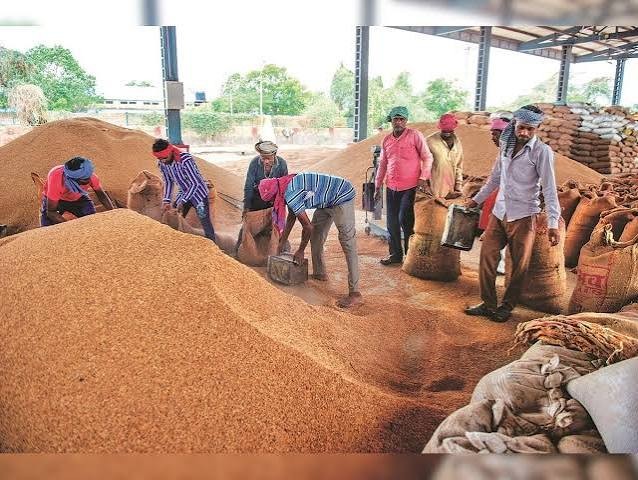
According to the industry body, certified seed availability for the current kharif season stands at 192.43 lakh quintals, comfortably exceeding the estimated national requirement of around 173 lakh quintals. The surplus is expected to provide a buffer in case farmers need to undertake re-sowing due to erratic rainfall.
FSII said seed companies have built comfortable inventories following a healthy production season and have maintained an additional 20-30% buffer stock for major kharif crops. These reserves are intended to meet any sudden increase in demand arising from delayed monsoon or adverse weather conditions.
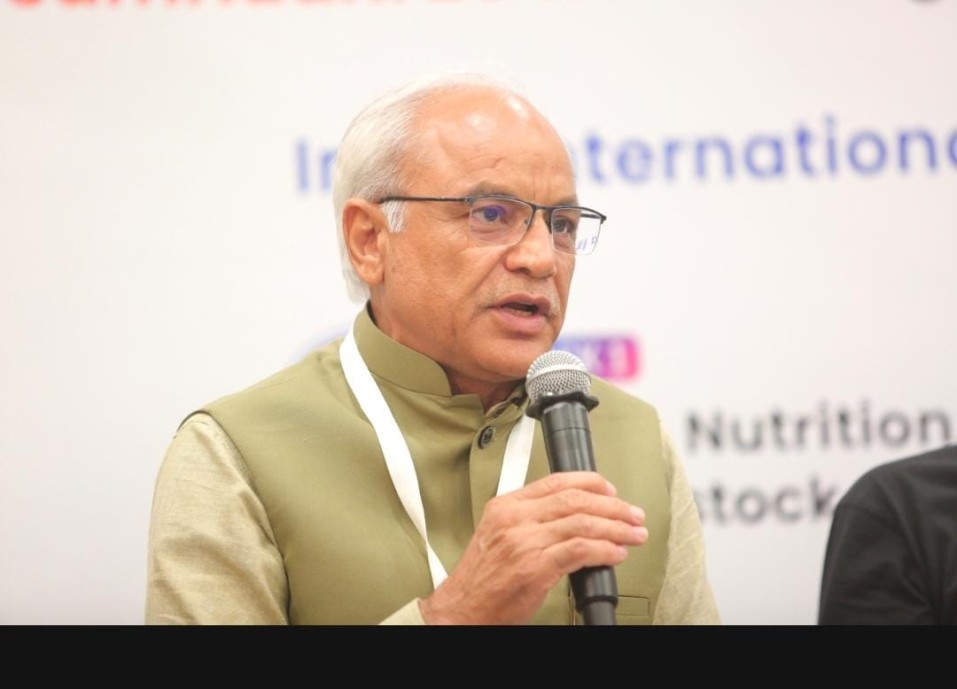
FSII Chairman Ajai Rana said seed availability is not expected to be a concern this season. Instead, the industry's immediate priority is strengthening last-mile distribution so that quality seeds reach farmers within the narrow sowing window, especially in rain-fed areas where monsoon progress has been uneven.
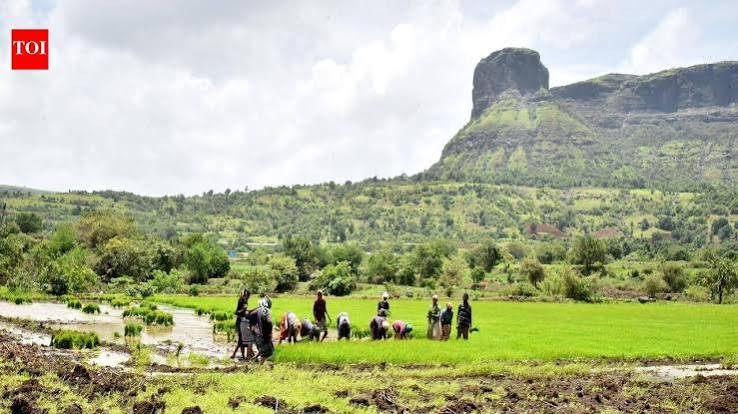
The industry estimates that nearly 75% of farmers have already purchased seeds for the ongoing kharif season, while the remaining growers are waiting for adequate rainfall before beginning sowing operations. This makes efficient transportation and timely availability of seeds critical over the coming weeks.
Private seed companies, which account for nearly 70% of India's organised seed market, have positioned additional inventories across major agricultural regions to ensure uninterrupted supplies if demand rises.
FSII also highlighted the need for close coordination among seed companies, distributors, state governments and agriculture departments to ensure seed stocks reach districts affected by delayed rainfall. Timely access to suitable seed varieties can help farmers minimise losses and complete sowing within the recommended period.
The industry has advised farmers in areas experiencing delayed rains to adopt short-duration and climate-resilient crop varieties, wherever recommended by agricultural experts. These varieties can help safeguard yields if the effective growing season becomes shorter.
With the India Meteorological Department forecasting generally favourable monsoon conditions but warning of uneven rainfall distribution in some regions, the seed industry said it is closely monitoring demand and is prepared to respond quickly if additional supplies are required during the remainder of the kharif season.
Industry stakeholders believe that while seed production has been adequate, the success of the current kharif season will depend largely on efficient logistics, timely availability of quality seeds and coordinated efforts to support farmers during the critical sowing period.