Facebook
 Linked In
 Twitter
 YouTube

IndiAgri News Desk

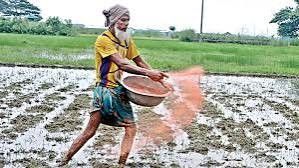
Punjab is preparing to scale up Direct Seeding of Rice (DSR) to cover nearly 5 lakh hectares, in a major push to address groundwater depletion and transition toward sustainable agricultural practices.
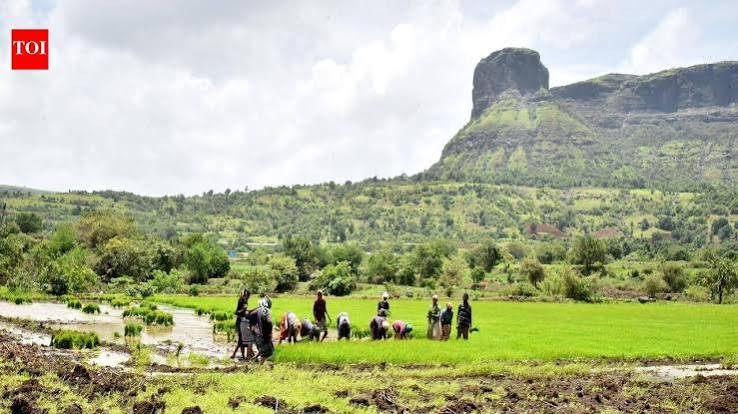
DSR, an alternative to traditional paddy transplantation, involves sowing seeds directly into the soil without the need for water-intensive nursery preparation and field puddling. The technique significantly reduces water consumption, lowers labour requirements, and cuts cultivation costs.
Officials indicated that the initiative is part of a broader strategy to tackle Punjab’s declining groundwater levels, driven by decades of intensive paddy cultivation under the wheat-paddy cropping system.
Apart from conserving water, DSR also contributes to lower greenhouse gas emissions, particularly methane, which is typically associated with flooded paddy fields. This aligns with growing emphasis on climate-resilient and environmentally sustainable agriculture.
To ensure adoption at scale, the state government is expected to provide financial incentives, technical support, and farmer awareness programmes, addressing challenges such as weed management and initial yield concerns that have previously limited uptake.
Punjab’s move is significant given its central role in India’s food security architecture. A successful transition to DSR could serve as a model for other rice-growing states facing similar ecological pressures.
The expansion of DSR reflects a broader policy shift — from maximising output at any cost to balancing productivity with sustainability, resource efficiency, and long-term viability of farming systems.