Facebook
 Linked In
 Twitter
 YouTube

IndiAgri Bureau
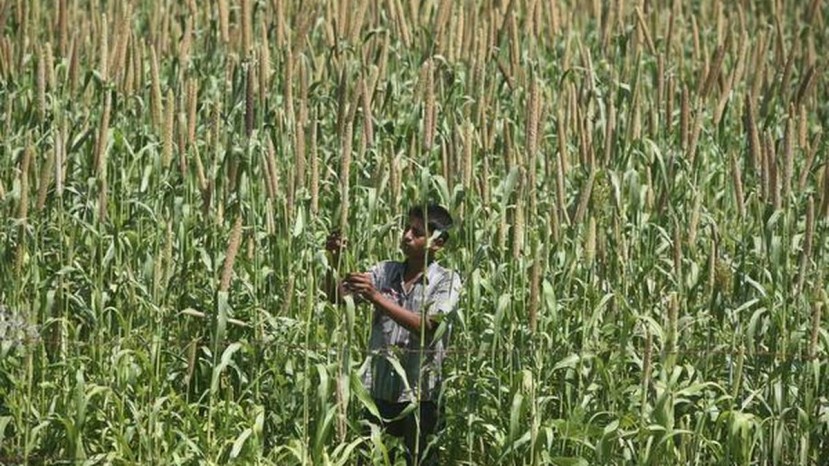
New Delhi: As India looks to strengthen nutritional security and make agriculture more climate-resilient, experts are urging policymakers to revive a range of indigenous crops that have gradually disappeared from farms and food plates despite their high nutritional value and adaptability.
While India remains one of the world's largest producers of rice and wheat, the country continues to depend heavily on imports of pulses and edible oils. Agricultural scientists and food policy experts believe that a broader shift towards traditional protein-rich crops could help reduce import dependence, improve nutrition outcomes, and create new opportunities for farmers.
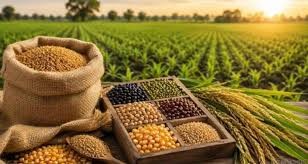
A recent analysis by the Good Food Institute (GFI) India has highlighted the potential of several underutilised indigenous crops, often referred to as "orphan crops". These include horse gram, winged bean, grass pea, bambara groundnut, lupin, and several native millets and legumes that were once commonly cultivated across different agro-climatic regions of the country.
According to experts, these crops are naturally rich in protein, require fewer agricultural inputs, and are more resilient to drought and climate stress than many conventional crops.
Agricultural researchers argue that India's food system has traditionally focused on ensuring calorie security through rice and wheat production. However, rising concerns over malnutrition, protein deficiency, and climate change are pushing the conversation towards nutritional security and crop diversification.
Despite significant achievements in cereal production, India continues to face challenges related to protein availability. A large portion of the population still derives much of its protein intake from cereals, which often lack essential amino acids required for balanced nutrition.
Experts believe that reviving indigenous crops could address multiple challenges simultaneously. Apart from improving dietary diversity, these crops can enhance soil health, reduce water consumption, and offer farmers alternative income sources in regions facing climatic uncertainties.
The growing global demand for plant-based foods is also creating new opportunities for India's agriculture sector. Countries such as Canada, Australia, China, and the Netherlands have already built strong plant-protein industries based on alternative crops. Industry observers say India has the biodiversity and agricultural base needed to emerge as a major supplier of plant-protein ingredients and value-added food products.
Processing traditional crops into protein concentrates, dairy alternatives, meat substitutes, and functional food ingredients could significantly increase their market value compared to selling them as raw grains. The expanding global market for plant-based proteins is expected to generate substantial export opportunities over the coming decade.
However, experts caution that crop diversification will require structural changes across the agricultural ecosystem. For decades, public procurement systems, irrigation networks, subsidies, and market infrastructure have largely favoured rice and wheat cultivation, making it difficult for farmers to shift towards alternative crops.
Farmers often face barriers such as limited access to quality seeds, weak market linkages, inconsistent demand, and inadequate post-harvest infrastructure. In many regions, the absence of assured procurement mechanisms also discourages the cultivation of pulses, oilseeds, and other protein-rich crops.
Agricultural economists note that while diversification is gradually gaining momentum in several states, sustained policy support will be necessary to accelerate adoption. Investments in breeding programmes, processing facilities, storage infrastructure, and market development will be crucial for scaling up indigenous crops.
Experts also stress the need to move beyond measuring agricultural success solely through grain output. Future strategies should focus on increasing protein productivity alongside crop yields to meet the nutritional needs of a growing population.
As climate variability intensifies and nutritional concerns remain widespread, the revival of India's forgotten crops is increasingly being viewed not as a nostalgic return to tradition, but as a strategic pathway towards a more resilient, sustainable, and nutrition-focused agricultural future.