Facebook
 Linked In
 Twitter
 YouTube

Priya Singh
New Delhi: Global crop prices are heading for their biggest monthly rise in more than a decade as war-related supply disruptions and extreme weather put pressure on agricultural commodities and raise concerns over food inflation.
The Bloomberg Agriculture Spot Index, which tracks 10 major agricultural products, rose more than 13% in August, marking its strongest monthly gain since July 2012. Wheat, sugar and cocoa have been among the major drivers of the increase.
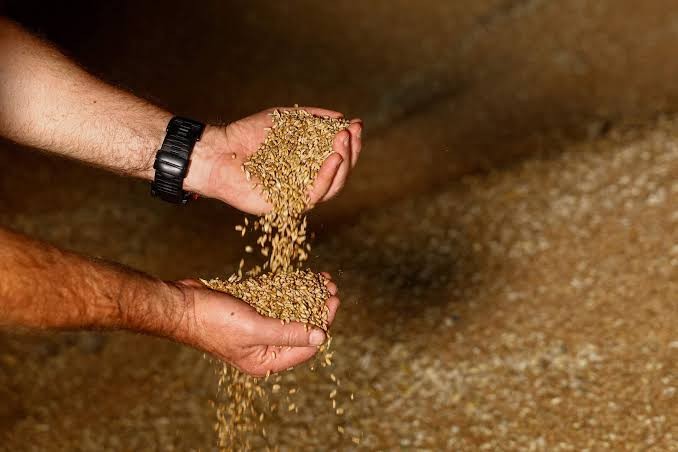
Wheat prices have recently reached a three-year high as attacks on Black Sea ports disrupt shipments from a key global supply region. Russia and Ukraine together account for more than a quarter of global wheat exports, along with significant supplies of barley, corn and sunflower oil.
The disruption is also raising concerns about future production, with Ukraine's agriculture ministry expecting farmers to plant less winter wheat for the 2027 season.
Extreme summer heat has affected corn harvests in the US and Europe, while the strengthening El Niño is creating additional risks for crops into next year.
Sugar and cocoa prices have also climbed sharply amid concerns over weather conditions in major producing regions. New York sugar futures gained more than 20% in August, with tight stocks in India coinciding with higher demand ahead of the festive season.
Higher crop prices could eventually add to the cost of food products, although the impact on consumers may take time to filter through.
Rising energy and transport costs linked to ongoing conflict are adding to concerns around the prices of everyday food items, including bread, meat and dairy products.
The combination of geopolitical disruptions, extreme weather and tighter agricultural supplies is keeping global crop markets under pressure, with the outlook for the coming months closely linked to weather conditions and the movement of supplies from major exporting regions.







.jpeg)
.jpg)




.jpg)