Facebook
 Linked In
 Twitter
 YouTube

Priya Singh
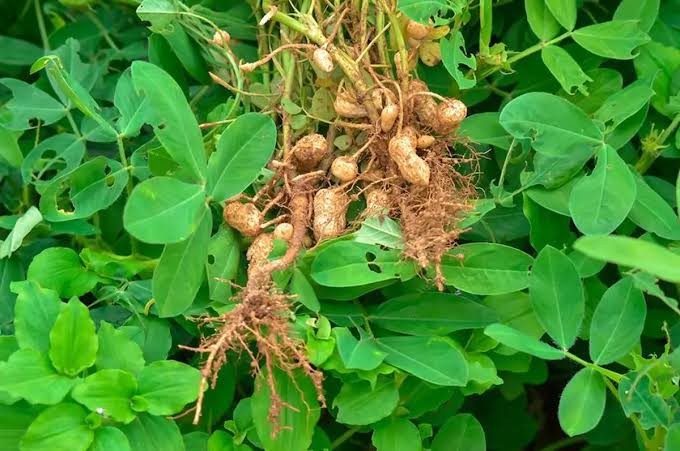
Jhalawar, Rajasthan: Farmers growing soybean and groundnut in Rajasthan’s Jhalawar district are expecting a stronger kharif harvest this year, with better crop conditions and improved farm practices supporting yield prospects.
The optimism comes after a weak performance last season, when lower productivity affected oilseed growers in the region. This year, timely rainfall and closer crop monitoring have helped improve field conditions, particularly on model farms being developed under oilseed productivity programmes.
On these model farms, soybean yields are expected to touch around 2,000 kg per hectare, while groundnut productivity could cross 2,500 kg per hectare, according to programme-linked estimates. These levels are considerably higher than the broader average soybean productivity in India.
The model farms are part of an initiative involving the Solvent Extractors’ Association of India (SEA), Solidaridad and AWL, which is aimed at improving oilseed productivity through better seeds, scientific cultivation practices, technology and regular field-level guidance.
Farmers participating in the programme have been encouraged to move beyond conventional cultivation methods and adopt improved agronomic practices. Regular monitoring by agricultural experts has also helped farmers identify crop-related issues and manage their fields more effectively.
The improvement is significant in the case of soybean, where productivity on the model farms is expected to be more than twice the national average cited by the programme.
Jhalawar has considerable potential for oilseed cultivation, but productivity has historically varied widely depending on crop management, varieties, soil and weather conditions. Research from Rajasthan has also shown that improved cultivation practices can substantially narrow the yield gap in soybean.
For farmers, higher productivity could mean more than just a larger harvest. Better yields combined with good-quality produce can improve returns from the same cultivated area, particularly at a time when reducing India's dependence on imported edible oils remains an important agricultural priority.
However, the final outcome will still depend on weather conditions through the remaining crop period. If favourable conditions continue, farmers in Jhalawar could enter the harvest season with stronger production prospects than last year.
The experience of these model farms also highlights a larger opportunity for Rajasthan’s oilseed sector: improving productivity through better technology, quality seed and field-level extension could help farmers raise output without necessarily expanding the area under cultivation.