Facebook
 Linked In
 Twitter
 YouTube

IndiAgri Bureau
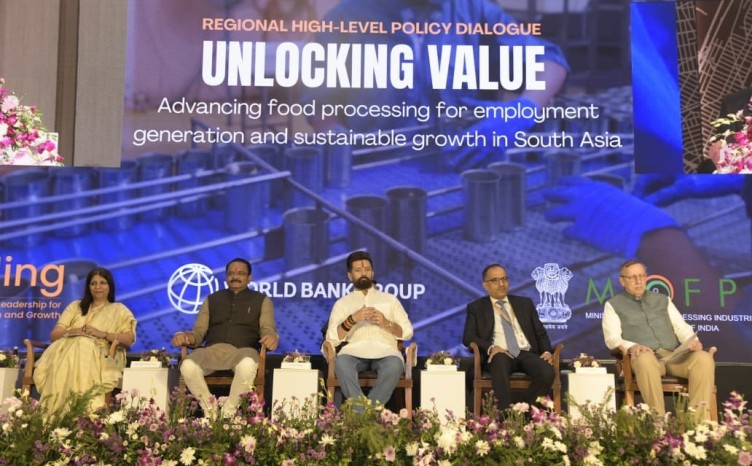
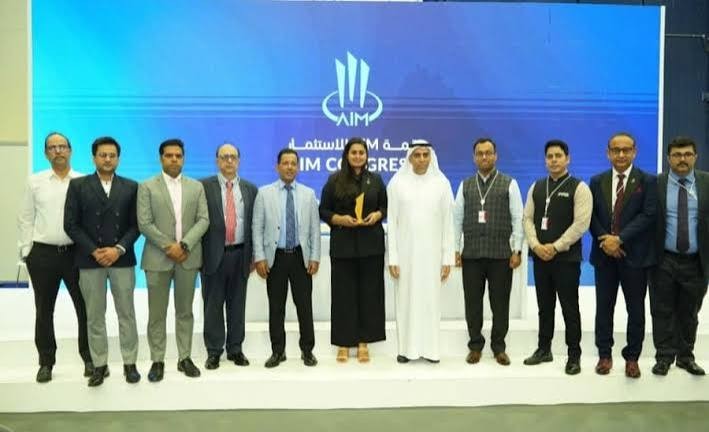
Ahmedabad : India's food processing sector took center stage at the SAPLING (South Asian Policy Leadership for Improved Nutrition and Growth) Dialogue 2026, where policymakers, industry leaders, researchers, startups, and development organizations from across South Asia gathered to discuss strategies for boosting value addition, creating jobs, and building resilient food systems.
The two-day regional conference, jointly organized by the Ministry of Food Processing Industries (MoFPI) and the World Bank Group, attracted nearly 200 participants focused on strengthening food processing ecosystems across the region.
Addressing the inaugural session, Union Food Processing Industries Minister Chirag Paswan highlighted the growing importance of food processing in linking agriculture with economic growth. He noted that greater value addition, technology adoption, and regional cooperation can help transform South Asia's food economy while improving farmer incomes and reducing post-harvest losses.
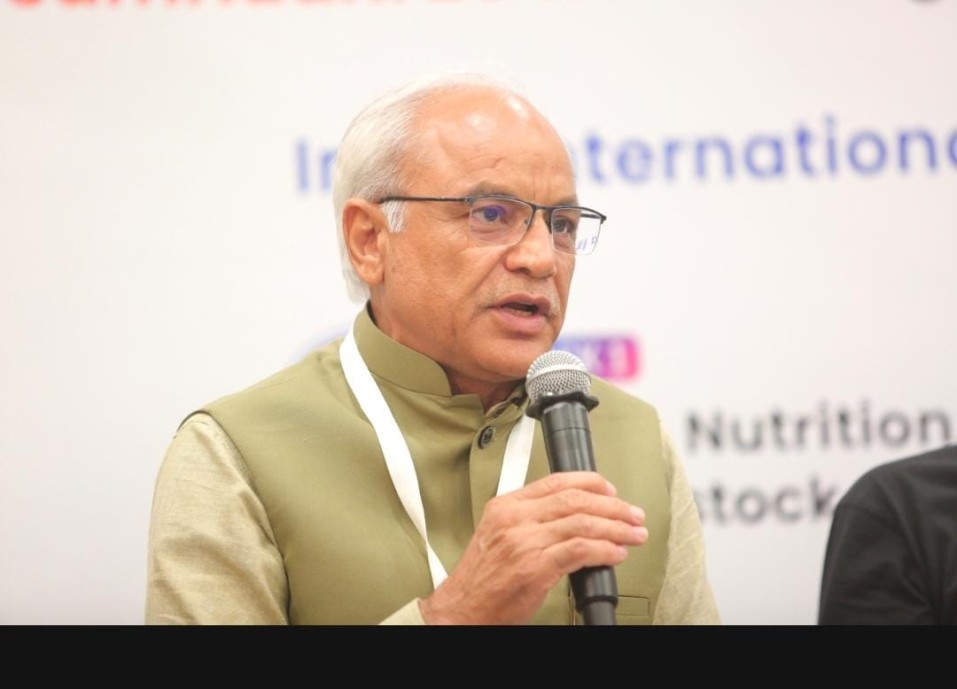
Gujarat Agriculture Minister Jitubhai Vaghani emphasized the role of food processing as a driver of agricultural transformation and employment generation. He also advocated establishing a campus of the National Institute of Food Technology Entrepreneurship and Management (NIFTEM) in Gujarat to strengthen industry-academia linkages.
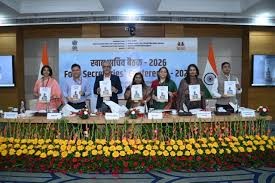
A major highlight of the event was the release of the report, Assessment of the Level of Food Processing in India. According to the study, the country's overall food processing level increased from nearly 10 percent in 2016 to around 17 percent in 2023. The report identifies significant opportunities for value addition in fruits, vegetables, dairy, and other perishable commodities.
The study recommends expanding processing infrastructure, improving supply chains, reducing post-harvest losses, and strengthening market linkages to enhance farmer earnings and India's competitiveness in global food markets.
The conference agenda includes discussions on agricultural supply chains, technology-driven food processing, formalization of small processors, food quality standards, investment mobilization, and regional policy cooperation.
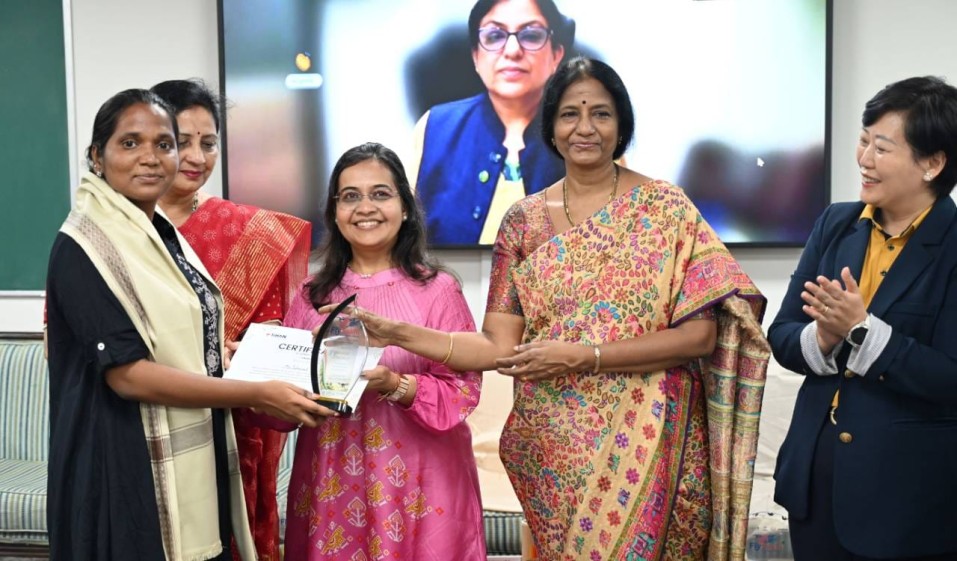
An Innovation Fair held alongside the dialogue showcased emerging solutions in cold chain logistics, digital traceability, sustainable packaging, storage systems, and smart food processing technologies. Industry representatives, investors, and policymakers explored opportunities for collaboration to accelerate sector growth.
Experts participating in the dialogue believe that stronger regional cooperation, increased private investment, and greater support for MSMEs could unlock substantial employment opportunities and drive sustainable growth in South Asia's food processing industry.