Facebook
 Linked In
 Twitter
 YouTube

IndiAgri Bureau
 FAO Sadewa.jpg)
Bangkok: Official notifications in China and Mongolia, in April and May 2026 respectively, has confirmed the spread of a new foot-and-mouth disease virus (FMDV) serotype in East Asia. South and Southeast Asia are on high alert, as the new virus presents a new challenge as susceptible livestock populations in both regions have no immunity to it. Vaccines commonly used for foot-and-mouth disease (FMD) prevention and control in the region are not fit to tackle the new serotype, known as FMD SAT1.
The Food and Agriculture Organization of the United Nations (FAO) is providing emergency preparedness support to help countries in South and Southeast Asia confront the threat. USD 400 000 in support through FAO’s Technical Cooperation Programme will assist Cambodia, Indonesia, the Lao People’s Democratic Republic, Pakistan, the Philippines, Thailand and Viet Nam with early warning, risk-based surveillance and rapid laboratory diagnosis for a new FMDV serotype. Guidance and information generated from the initiative will be shared more widely with countries in the Asia and Pacific Region.
“Early detection and rapid diagnosis are essential, but countries also need a clear picture of where animals are moving and where high-risk hotspots are,” said Alue Dohong, FAO Assistant Director-General and Regional Representative for Asia and the Pacific. “The virus can move through livestock value chains, trade routes, border points and markets before an outbreak is confirmed. FAO is helping Member Nations close that gap through surveillance, laboratory and risk communication for farmers, traders, animal health workers and local community.”
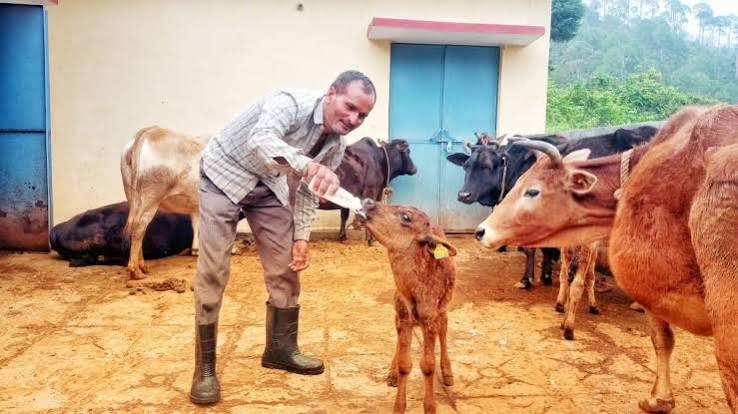
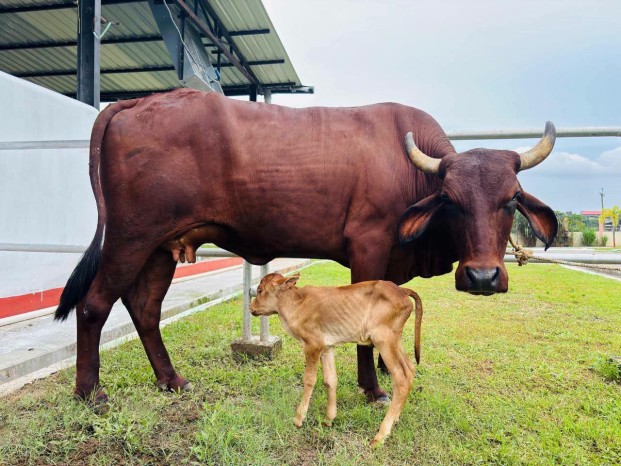
FMD is a multispecies viral disease that affects cloven-hooved livestock, including cattle, sheep, goats, pigs, and water buffalo that could move quickly across borders and put rural livelihoods at risk. There are seven FMDV serotypes globally. Although they cause similar disease and infections, immunity to one serotype does not protect animals against another. FMDV O, A and Asia 1 already circulate across South and Southeast Asia. Since early 2025, FMD SAT1 has expanded beyond its historical range in sub-Saharan Africa, spreading across the Near East and the Caucasus.
Preparedness ahead of wider spread
FMDV SAT1 could test the region’s livestock systems and value chains at several weak points. Across South and Southeast Asia, animals often move from small farms to traders and live animal markets before reaching slaughter points or crossing borders. These networks support food supply and rural income, however, they can also carry disease before an outbreak is detected. In smallholder systems, many families keep large and small livestock close to home, and biosecurity protocols can vary widely.
A rapid economic impact assessment conducted by FAO has estimated potential annual regional production losses of about USD 5–6 billion under a median outbreak scenario. This does not include trade disruption, market shocks, herd value losses or response costs. Smaller livestock-dependent economies could be hit hardest relative to their size, with losses estimated at 0.5–1 percent of gross domestic product in some settings. For rural households, a major outbreak could mean lost milk, unsold animals and markets that close when income is needed most.
FAO’s emergency support will help countries identify the risk hotspots and most likely routes of entry and spread. It will also support early reporting in high-risk settings such as border areas and live animal markets. The first virtual training session will be held on 24 June to start identifying the most likely routes and sources for the introduction of FMDV SAT1 and to inform immediate planning and risk-mitigation measures.
Laboratory support to target countries will include training and emergency diagnostic supplies for viral characterization. National and regional reference laboratories will also be connected with global FMD reference laboratory network for sequencing, phylogenetic analysis and vaccine matching.
FAO is also supporting information sharing and risk communication through established regional networks. In coordination with the World Organisation for Animal Health (WOAH), FAO will convene a special session of the Regional Expert Group on FMD on 18 June to improve SAT1 detection and surveillance and preparing laboratory rapid response.