Facebook
 Linked In
 Twitter
 YouTube

IndiAgri Bureau
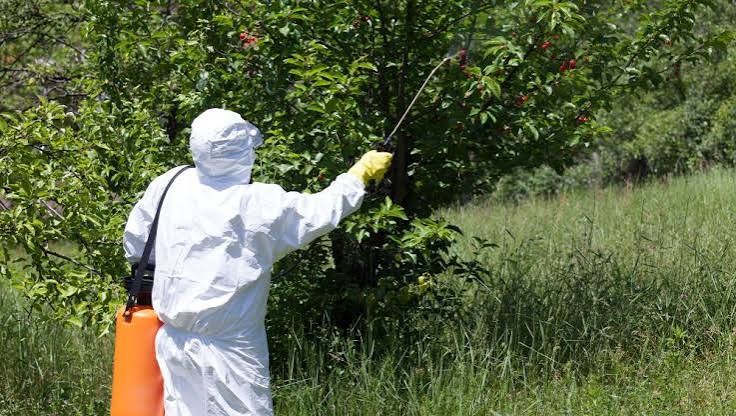
New Delhi: Crop protection remains one of the major challenges for farmers. Insect pests can damage leaves, weaken young shoots and affect developing fruits, resulting in crop losses. Excessive dependence on chemical pesticides can also contribute to pesticide resistance, encouraging farmers to explore alternative approaches to pest management.
Natural pest management, including neem-based products, botanical extracts and biological crop protection solutions, offers farmers additional options. These methods can be considered as part of a broader strategy to protect crops while supporting more sustainable farming practices.
Neem has long been associated with plant protection and is widely used in natural crop management. Different neem-derived products can be considered depending on the crop and the pest being targeted.
Neem-based insecticides and neem oil formulations are among the options available to farmers for managing certain insect pests. Their effectiveness, however, depends on correct application, timing and dosage.
Farmers should identify the target pest and follow the recommended instructions before using any neem-based formulation. Natural products also require responsible application and should not be treated as solutions that can be used without guidance.
Botanical-based products offer another approach to pest management. Bio-insecticides made from plant extracts can be included in crop protection programmes, depending on the nature of the infestation.
Before choosing a treatment, farmers need to identify which pest is damaging the crop and understand the type of damage it causes. This helps in selecting a suitable product and avoiding unnecessary applications.
Organic bio-pesticides may also be useful in certain situations. Their suitability depends on the crop, pest and formulation. Farmers should carefully check product details and recommended usage before applying them in the field.
Effective pest management is not limited to agricultural sprays. Regular field inspection, particularly during critical crop growth stages, is equally important.
Farmers should monitor new leaves, stems, flowers and other vulnerable plant parts for early signs of pest infestation. Removing damaged plant parts and maintaining field cleanliness can also support crop health.
Early identification and timely intervention can help prevent pest populations from increasing significantly. A combination of field monitoring, good agricultural practices and suitable crop protection products can make pest management more effective.
Insects are not the only cause of crop damage. Fungal and bacterial diseases can also affect plant growth and productivity, and they require different treatment approaches.
For instance, fungal infections may require suitable organic fungicides or other disease-management solutions. Applying the wrong treatment can waste both time and money without addressing the actual problem.
Farmers should therefore pay attention to symptoms and identify the cause of crop damage before selecting a treatment. Where necessary, guidance from agricultural experts and extension workers can help with accurate diagnosis.
Natural pest control can become a useful part of modern farming when supported by correct pest identification, regular monitoring and responsible product application.
Neem-based products, botanical extracts and bio-pesticides offer different options depending on crop requirements and pest problems. Combining these approaches with good field management can help farmers work towards healthier crops and more sustainable crop protection.
The focus should be on understanding the problem first and choosing the right solution rather than relying on repeated spraying. A well-planned approach can help farmers protect their crops while making more informed decisions about pest and disease management.